
Imagine a sudden, sharp pain in your heel, like a snap or a pop, making it impossible to walk normally. That’s the reality for many people experiencing an Achilles rupture, a serious injury that can sideline you for months. The thought of recovering can be daunting, and one of the first big decisions you’ll face is choosing the right walking boot.
But where do you even start? The market is flooded with different types of walking boots, each claiming to be the best. It’s easy to feel overwhelmed by all the features, sizes, and brands. You want a boot that will help you heal properly, feel comfortable, and allow you to get back on your feet as soon as it’s safe. Making the wrong choice could slow down your recovery or even cause more problems.
This guide is here to help. We’ll break down what makes a walking boot effective for an Achilles rupture, explain the key features to look for, and offer practical advice to make your decision much easier. By the end of this post, you’ll have a clearer understanding of your options and feel more confident in picking the boot that’s right for your healing journey.
Our Top 5 Walking Boot For Achilles Rupture Recommendations at a Glance
Top 5 Walking Boot For Achilles Rupture Detailed Reviews
1. VACOped Achilles Tendon Rupture Fracture Boot

Rating: 9.1/10
If you’ve unfortunately experienced an Achilles tendon rupture or fracture, the VACOped Achilles Tendon Rupture Fracture Boot offers a modern solution to help you heal. This innovative boot is designed to support your recovery, making the process more comfortable and efficient.
What We Like:
- It’s clinically proven to help you recover faster.
- You can easily take it off and put it back on whenever you need to.
- The boot is hygienic and feels comfortable to wear.
- You can even go swimming with it if your doctor says it’s okay (you’ll need an extra liner for this).
- It’s a more efficient and cost-friendly option compared to older treatments.
What Could Be Improved:
- An additional liner is required for swimming, which is an extra purchase.
- Availability might be limited in some areas.
The VACOped boot aims to make your recovery journey smoother. It provides a practical and advanced way to manage Achilles tendon injuries, potentially getting you back on your feet sooner.
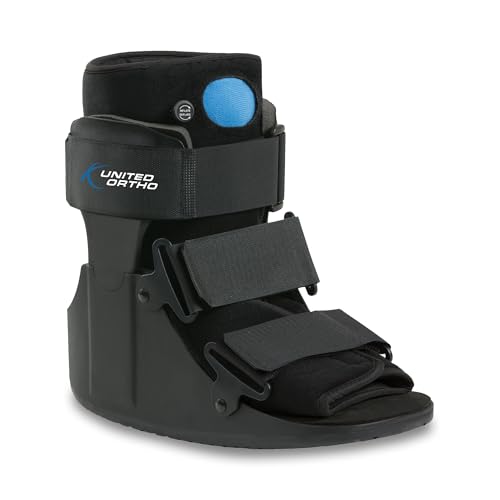
2. United Ortho USA14115 Short Air Cam Walker Fracture Boot
Rating: 9.5/10
The United Ortho USA14115 Short Air Cam Walker Fracture Boot in Black, Medium, offers excellent support for various lower leg injuries. It’s designed to help you heal comfortably and get back on your feet. This boot can be worn on either your left or right foot, making it a versatile choice. Remember to check the sizing chart before buying to ensure a perfect fit.
What We Like:
- It helps you walk more naturally with its special sole and soft insole.
- Strong plastic sides with metal inside make it last a long time.
- You can use it for many different injuries, like sprains, broken bones, or after surgery.
- It comes with a guide to help you put it on correctly for the best comfort.
What Could Be Improved:
- The medium size might not fit everyone perfectly, so checking the chart is very important.
- It weighs a little over two pounds, which might feel heavy for some users.
This boot is a helpful tool for recovery. It provides the support you need to heal while allowing for a more normal walking experience.
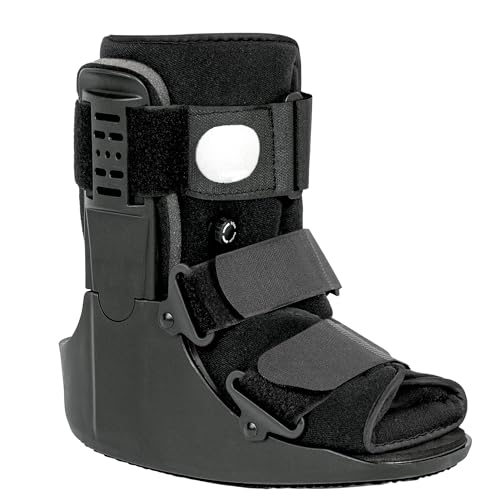
3. Jewlri Air Walking Boot
Rating: 8.8/10
Dealing with an ankle or foot injury can be tough, but the Jewlri Air Walking Boot is here to help you heal comfortably. This boot is designed to keep your injured foot or ankle stable and protected. It fits either your left or right foot, making it a versatile choice. Remember to check the size chart and measure your foot before ordering for the best fit. Always talk to your doctor before using any new medical device.
-
What We Like:
- It has a soft, thick insole that absorbs shock, making it more comfortable to walk and easing pain.
- You can easily wash the liner in cold water.
- The boot has a strong plastic shell that keeps your injured part from moving, helping it heal better.
- You can adjust the hook and loop fasteners for a custom fit that feels just right.
- It has inflatable air compartments that give extra support and compression to your foot and ankle.
- The bottom of the boot is shaped like a rocker, which helps you walk more naturally.
- It’s good for many injuries like sprained ankles, stress fractures, broken feet, and after surgery.
-
What Could Be Improved:
- It’s important to consult a medical professional before purchasing.
- Make sure to measure your foot accurately to get the right size.
This Jewlri Air Walking Boot offers great support and comfort for your recovery. It’s a solid option for anyone needing to protect their injured foot or ankle.
4. United Ortho Air Cam Walker Fracture Boot

Rating: 8.9/10
Dealing with a foot or ankle injury can be tough, but the United Ortho Air Cam Walker Fracture Boot in Medium, Black offers a great solution. This boot is designed to help you recover comfortably and safely. It’s built to support you through various stages of healing, from initial injuries to post-operative care. The boot is made for both men and women, making it a versatile choice. Plus, it’s easy to wear on either your left or right foot.
What We Like:
- It helps you walk more naturally thanks to its special sole and shock-absorbing insole.
- Strong plastic sides with steel inside make it really durable.
- You can use it for different injuries like sprains, soft tissue damage, or after surgery.
- A clear user guide is included to help you put it on correctly for the best fit.
- It weighs about 2.7 pounds, which is manageable.
What Could Be Improved:
- It’s important to check the sizing chart carefully before buying, as the medium size fits specific shoe sizes for men and women.
This boot provides excellent support and promotes a more natural gait during recovery. It’s a reliable option for healing your foot or ankle.
5. Ossur Rebound Air Walker Boot

Rating: 8.8/10
The Ossur Rebound Air Walker Boot is a game-changer for anyone recovering from a foot or ankle injury. This high-top boot offers fantastic support and comfort, making your recovery journey smoother. It’s designed to help you get back on your feet faster, whether you have a broken foot, a sprained ankle, or are recovering from surgery.
What We Like:
- Adjustable Straps & Air Pump: You can easily adjust the fit with straps and an air pump. This gives you the perfect snugness for great support. It’s wonderful for healing after surgery or for stable fractures.
- Rocker Bottom Design: The curved bottom helps you walk more naturally. This reduces stress on your injured foot, which is great for sprained ankles and speeds up healing.
- High-Quality Construction: Made with strong materials, this boot lasts a long time. It provides excellent stability and comfort for injured feet and tendon sprains.
- Low Top / High Top Design: It’s a lightweight boot that gives you the support you need. It works well for broken toes, balancing movement and stability perfectly.
- Enhanced Comfort: The inside of the boot is soft and cushioned. This makes your recovery more comfortable. It’s a great foot brace for women and helps your foot heal better.
What Could Be Improved:
- Bulkiness: While supportive, the high-top design can feel a bit bulky for some activities.
- Learning Curve: Getting the air pump pressure just right might take a little practice at first.
Overall, the Ossur Rebound Air Walker Boot provides excellent support and comfort for a smooth recovery. It’s a reliable choice for anyone needing to protect and heal their foot or ankle.
Finding the Right Walking Boot for Your Achilles Rupture
An Achilles tendon rupture can be a painful and disruptive injury. It happens when the strong tendon connecting your calf muscles to your heel bone tears. A walking boot is an essential tool for recovery. It helps protect the tendon, manage pain, and allows you to move around. This guide will help you choose the best walking boot for your needs.
Key Features to Look For
When picking a walking boot for an Achilles rupture, some features are crucial for healing and comfort.
- **Adjustable Dorsiflexion/Plantarflexion:** This is the most important feature. It allows you to control how much your foot bends up (dorsiflexion) and down (plantarflexion). Your doctor will tell you the right settings for each stage of healing.
- **Removable Liner:** A liner that you can take out makes cleaning easier. This helps keep things hygienic.
- **Shock-Absorbing Sole:** A good sole will cushion your steps. This reduces the impact on your injured tendon.
- **Lightweight Design:** Heavy boots can make walking difficult. A lighter boot is more comfortable for everyday use.
- **Secure Strapping System:** Straps that are easy to adjust and provide a snug fit are important. They keep your foot stable in the boot.
- **Wide Toe Box:** This gives your toes plenty of room. It prevents pressure and discomfort.
Important Materials
The materials used in a walking boot affect its durability, comfort, and breathability.
- **Plastic Shell:** Most boots have a rigid outer shell made of plastic. This provides strong support and protection. Look for durable, impact-resistant plastic.
- **Padding and Liner:** The inside of the boot should be padded for comfort. Breathable materials like foam or soft fabric are best. They prevent your foot from getting too hot and sweaty.
- **Straps:** Straps are usually made of strong nylon or Velcro. They need to be durable and easy to grip for adjustments.
Factors That Improve or Reduce Quality
Several factors can make a walking boot great or not so great.
- **Build Quality:** A well-made boot will last longer. Check for sturdy construction and well-attached parts.
- **Fit and Comfort:** A boot that fits poorly can cause more problems. It might rub, chafe, or not provide enough support.
- **Adjustability:** The more adjustable a boot is, the better it can adapt to your healing process.
- **Ease of Use:** If the boot is hard to put on or take off, it can be frustrating.
- **Weight:** As mentioned, a lighter boot is generally better.
A good boot will have a robust plastic shell and comfortable, breathable padding. Poorly made straps or a stiff, unforgiving liner will reduce the quality.
User Experience and Use Cases
People use walking boots after an Achilles tendon rupture to protect their foot and allow healing.
- **Post-Surgery:** After surgery to repair the Achilles tendon, a boot is essential. It immobilizes the foot and allows the tendon to mend.
- **Non-Surgical Treatment:** For less severe ruptures, a boot can be used without surgery. It still provides the necessary support and controlled movement.
- **Daily Activities:** While wearing a boot, you can usually walk short distances. You can go to the bathroom, get food, and move around your home.
- **Physical Therapy:** Your physical therapist might adjust the boot settings as you progress. They will guide you on when and how to use it.
Users often find boots helpful for managing pain and reducing the risk of re-injury. However, they can be bulky and make some activities challenging. Learning to walk with the boot will take some practice.
Frequently Asked Questions (FAQ)
Q: What is the main purpose of a walking boot for an Achilles rupture?
A: The main purpose is to protect the healing Achilles tendon, immobilize the foot, and control movement to prevent further damage.
Q: How long do I typically need to wear a walking boot?
A: The duration varies depending on the severity of the rupture and your doctor’s recommendations. It can range from several weeks to a few months.
Q: Can I walk normally in a walking boot?
A: You can walk, but not normally. The boot limits your ankle’s movement and changes your gait. You will likely need to use crutches or a cane initially.
Q: How do I adjust the settings on my walking boot?
A: Your doctor or physical therapist will show you how to adjust the settings. They often involve changing the angle of the footplate.
Q: Is it okay to get the walking boot wet?
A: Generally, it’s best to keep the boot dry. If the liner gets dirty, remove it and wash it according to the manufacturer’s instructions.
Q: What should I do if the boot is uncomfortable?
A: If the boot causes rubbing or significant discomfort, talk to your doctor. They might be able to adjust it or recommend padding.
Q: Can I wear a sock with my walking boot?
A: Yes, wearing a sock, especially a thin one, can improve comfort and prevent skin irritation.
Q: How do I clean my walking boot?
A: The outer shell can usually be wiped clean with a damp cloth. The liner is often machine washable or can be hand-washed.
Q: Will a walking boot help with pain?
A: Yes, by immobilizing the ankle and controlling movement, a walking boot can help reduce pain and swelling.
Q: Can I drive while wearing a walking boot?
A: It depends on which leg is injured and the type of boot. You should never drive if your injured leg is on the same side as the pedals and you cannot operate them safely.
In conclusion, every product has unique features and benefits. We hope this review helps you decide if it meets your needs. An informed choice ensures the best experience.
If you have any questions or feedback, please share them in the comments. Your input helps everyone. Thank you for reading.