
Imagine this: you finally have your custom orthotics, ready to bring relief to your feet. But then comes the big question – what shoes will actually work with them? It’s a common puzzle that can leave you feeling frustrated, especially when you want your feet to feel good *and* look stylish. Finding the perfect shoe shouldn’t be a chore, but for many, it feels like one.
You might be wondering if your favorite sneakers are a lost cause, or if you’ll have to say goodbye to stylish boots. The truth is, the right shoe can make all the difference in getting the most out of your custom orthotics. They need to fit well, support your foot’s natural shape, and keep you comfortable all day long.
In this post, we’re going to break down exactly how to choose shoes that will be best friends with your custom orthotics. We’ll explore different types of shoes and what to look for, so you can step out with confidence and comfort, no matter the occasion. Get ready to discover a world of footwear possibilities!
Our Top 5 Shoes To Wear With Custom Orthotics Recommendations at a Glance
Top 5 Shoes To Wear With Custom Orthotics Detailed Reviews
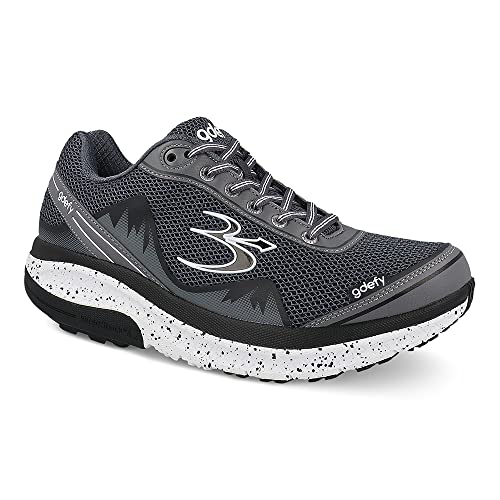
1. G-DEFY Mighty Walk Women’s Orthopedic Walking Shoe
Rating: 8.8/10
The G-DEFY Mighty Walk Women’s Orthopedic Walking Shoe is designed to bring comfort and relief to your feet. If you struggle with foot pain from running, long hours of standing, or conditions like plantar fasciitis, this shoe might be your solution. It even comes with a free custom orthotic, making it a fantastic value.
What We Like:
- The patented VersoShock Technology uses a spring system to absorb shock and give you energy back with every step. This helps reduce pain associated with running and standing.
- Its seamless interior is gentle on sensitive feet, perfect for those with diabetic neuropathy, preventing irritation and discomfort.
- You can easily remove the insoles to use your own custom orthotics if needed.
- The front rocker sole and supported midfoot help prevent and relieve the pain of plantar fasciitis.
- These shoes offer extra depth and a roomy toe box. This is great for bunions, diabetes, or simply for extra room for your toes to wiggle.
- They are available in wide widths, catering to a variety of foot shapes.
What Could Be Improved:
- While stylish, the design might not appeal to everyone’s personal fashion sense.
- The initial cost, even with the included orthotic, might be higher than some budget-friendly walking shoes.
Overall, the G-DEFY Mighty Walk shoe prioritizes foot health and comfort. It’s a strong contender for anyone seeking relief from common foot ailments.
2. Superfeet All-Purpose Support High Arch Insoles (Green) – Trim-To-Fit Orthotic Shoe Inserts – Professional Grade – Men 9.5-11 / Women 10.5-12

Rating: 9.3/10
Tired feet? Introducing the Superfeet All-Purpose Support High Arch Insoles, formerly known as Superfeet GREEN. These professional-grade inserts are designed to bring maximum support to your feet, especially if you have high arches. They work with your body’s natural cushioning to help with common foot pain, arch pain, heel pain, and even plantar fasciitis. You can easily trim them to fit your favorite shoes or boots, making them a versatile addition to your footwear.
What We Like:
- Provides excellent high arch support for maximum comfort.
- The deep heel cup cradles your heel, absorbing shock effectively.
- Moisturewick technology helps keep your feet fresh and reduces odors.
- Durable construction adds comfort, support, and structure to your shoes.
- Trim-to-fit design allows for a custom fit in most roomy footwear.
- They are great for relieving common foot pain like arch and heel pain.
What Could Be Improved:
- They are designed for roomy footwear, so they might not fit snugly in tighter shoes.
- Some users might find the initial firmness takes a little getting used to.
These insoles are a fantastic way to upgrade the comfort and support of your everyday shoes. If you’re looking for relief from foot pain and better arch support, the Superfeet All-Purpose Support High Arch Insoles are definitely worth considering.
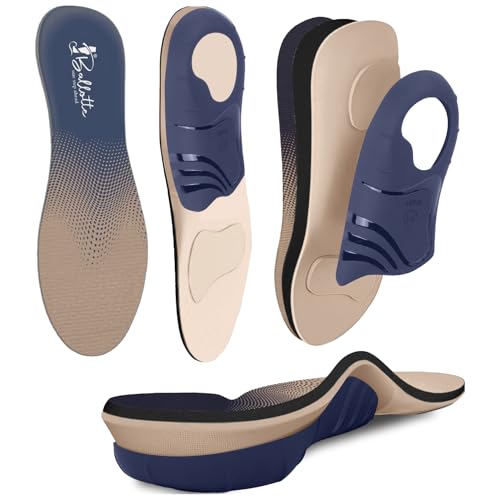
3. Ballotte Plantar Fasciitis Insoles
Rating: 8.7/10
Say goodbye to foot pain with Ballotte Plantar Fasciitis Insoles! These 5-layer orthotic insoles are designed to help correct flat feet and provide much-needed relief from heel pain. They offer high arch support for both men and women, and the medium size comes in a convenient 2-pack. Get ready to experience comfort like never before.
What We Like:
- These insoles offer amazing all-day comfort with their 5 layers of cushioning.
- The 1.38-inch elevated arch support is great for plantar fasciitis and flat feet.
- They can support up to 220lbs, so they’re built tough.
- The double gel pads really absorb shock, making every step feel soft.
- They keep your feet cool, dry, and fresh, even on long, busy days.
- You can easily trim them to fit any shoe perfectly.
What Could Be Improved:
- While they offer great support, some users might find the initial break-in period slightly firm.
- The “medium” size might require careful trimming for a truly personalized fit in all shoe types.
Overall, these Ballotte insoles are a fantastic solution for anyone struggling with foot pain. They offer robust support and comfort that can truly make a difference in your daily life.
4. G-DEFY ION Men’s Black Slip Resistant Shoe

Rating: 9.3/10
Tired of foot pain after a long day? The G-DEFY ION Men’s Black Slip Resistant Shoe is here to help. Designed with VersoShock Technology, these shoes aim to ease discomfort from standing or walking for extended periods. They offer great arch support and are even a good choice for those needing diabetic or wide shoes. Plus, you get a free custom orthotic to make them even better!
What We Like:
- The breathable mesh keeps your feet cool and comfortable.
- The slip-resistant outsole gives you a secure grip on different surfaces, which is great for safety.
- The roomy toe box helps your toes and arches feel less stressed, improving blood flow.
- The front rolling forefoot design makes walking smoother and more stable.
- You can swap out the insoles for your own custom ones if you prefer.
- Every pair comes with podiatrist-grade orthotics that help your body stand straighter and support your feet better.
- These shoes are designed to be wide, which is a big plus for many people.
What Could Be Improved:
- The slip-resistant feature is only on the all-black model, which might limit choices for some.
- The description mentions “free custom orthotic,” but it’s important to note that these are the included corrective insoles, not a fully personalized, custom-made orthotic.
If you’re looking for relief from foot pain and want to improve your comfort, these G-DEFY ION shoes are definitely worth considering. They offer a blend of support, comfort, and safety features to help you move through your day with ease.
5. Dr. Scholl’s Custom Fit Orthotics 3/4 Length Arch Support Shoe Inserts – Plantar Fasciitis Relief Insoles for Men and Women

Rating: 9.1/10
Tired of foot pain slowing you down? Dr. Scholl’s Custom Fit Orthotics 3/4 Length Arch Support Shoe Inserts are here to help. These special inserts are designed to give you relief from pain in your feet, knees, back, and even hips and ankles. They are made just for you, considering your arch type, how much you weigh, and your shoe size. Get ready to feel better all day long!
What We Like:
- Provides relief for many types of pain, like plantar fasciitis, heel pain, and even hip and ankle pain.
- Uses three layers of cushioning for great comfort and support.
- Works for lots of activities, from walking and running to just standing.
- Easy to slip into most shoes without needing to trim them.
- Can be used with Flexible Spending Accounts (FSA) and Health Savings Accounts (HSA).
What Could Be Improved:
- While they offer great support, some users might find the 3/4 length not ideal for all shoe types if they prefer full-length coverage.
- The initial customization process might require a visit to a Dr. Scholl’s Custom Fit kiosk.
These Dr. Scholl’s orthotics offer a promising solution for widespread lower body discomfort. They provide personalized support and cushioning to help you move more freely and with less pain.
Finding the Right Fit: Shoes for Your Custom Orthotics
Wearing custom orthotics can make a huge difference in how your feet feel. But not all shoes are created equal when it comes to fitting them comfortably and effectively. This guide will help you find the perfect shoes to pair with your custom insoles.
Key Features to Look For
1. Ample Depth and Volume
Your orthotics take up space inside your shoes. You need shoes that offer enough room so your feet don’t feel squeezed. Look for shoes with a deep toe box and overall generous volume. This prevents your toes from hitting the front and your arch from feeling compressed.
2. Removable Insoles
Most shoes come with their own insoles. For custom orthotics to work best, you usually need to remove the shoe’s original insole. This creates the space needed for your custom orthotic. Shoes with easily removable insoles are a must-have.
3. Supportive Midsole and Outsole
Even with orthotics, the shoe itself provides important support. A firm midsole helps absorb shock and maintain stability. A good outsole offers grip and prevents your foot from sliding around inside the shoe.
4. Adjustable Closure System
Laces, Velcro straps, or adjustable buckles allow you to customize the fit. This is crucial when wearing orthotics. You can adjust the snugness to keep your foot securely in place without over-tightening.
5. Straight or Semi-Curved Last
The “last” is the mold a shoe is built around. For orthotics, a shoe built on a straighter or semi-curved last often provides better support and accommodates the orthotic’s structure more effectively than a very curved shoe.
Important Materials
The materials of a shoe affect comfort, durability, and how well it works with orthotics.
- Leather: This is a classic choice. Leather is breathable and can mold to your foot over time. It’s often durable and can be found in supportive shoe styles.
- Mesh: Many athletic shoes use mesh. It’s lightweight and breathable, keeping your feet cool. Look for mesh shoes with a sturdy structure to ensure they don’t collapse around your orthotics.
- Synthetics: Modern synthetic materials can offer good support and water resistance. Some are designed to be very flexible, which can be helpful for accommodating orthotics.
- Rubber (Outsole): A good rubber outsole provides traction and shock absorption. It should be firm enough to offer stability.
Factors That Improve or Reduce Quality
Factors That Improve Quality:
- Sturdy Heel Counter: This is the stiff part at the back of the shoe. A strong heel counter helps stabilize your heel, which is important when using orthotics.
- Good Arch Support Built-in: While orthotics provide primary support, some shoes have a slight built-in arch that complements them.
- Flexible Forefoot: The front part of the shoe should bend easily with your foot as you walk.
Factors That Reduce Quality:
- Very Soft or Flexible Midsoles: While cushioning is good, overly soft shoes can allow your foot to sink, reducing the effectiveness of your orthotics.
- Narrow Toe Boxes: These will cramp your toes and make it impossible to wear orthotics comfortably.
- Shoes with Built-in, Non-Removable Insoles: If you can’t remove the original insole, your orthotics won’t fit properly.
User Experience and Use Cases
Finding the right shoes with orthotics is about comfort and function. People use orthotics for many reasons, like managing plantar fasciitis, flat feet, or heel spurs. The right shoes help them walk, stand, and move pain-free.
- Everyday Walking: Comfortable walking shoes with removable insoles are essential. Sneakers and supportive loafers are great options.
- Running and Sports: If you’re active, look for athletic shoes designed for your sport. Many running shoes have ample depth and removable insoles.
- Work Shoes: Depending on your job, you might need dress shoes or work boots. Many brands now offer dressier styles that can accommodate orthotics.
- Slippers: Even at home, supportive slippers with removable insoles can help keep your feet comfortable.
The goal is to find shoes that don’t just fit your orthotics but also enhance their benefits, allowing you to move with ease and comfort throughout your day.
Frequently Asked Questions (FAQ)
Q: What are the main Key Features to look for in shoes for custom orthotics?
A: The main Key Features are ample depth and volume, removable insoles, a supportive midsole and outsole, an adjustable closure system, and a straight or semi-curved last.
Q: Can I wear any shoe with my custom orthotics?
A: No, not all shoes are suitable. Shoes need enough depth and removable insoles to properly accommodate your custom orthotics.
Q: What materials are best for shoes with orthotics?
A: Good materials include leather, mesh, and supportive synthetics. A rubber outsole is also important for grip and stability.
Q: How do I know if a shoe has enough depth for my orthotics?
A: Try removing the shoe’s original insole and then placing your custom orthotic inside. If there’s still plenty of room and your foot doesn’t feel squeezed, it likely has enough depth.
Q: Are athletic shoes good for custom orthotics?
A: Yes, many athletic shoes, especially running shoes, are designed with removable insoles and ample space, making them excellent choices for custom orthotics.
Q: What if a shoe’s insole isn’t removable?
A: If the insole is glued in, it’s generally not recommended to try and force it out, as this can damage the shoe. You should look for shoes with easily removable insoles instead.
Q: Can I wear dress shoes with custom orthotics?
A: Yes, many dress shoe brands now offer styles with removable insoles and enough room to accommodate orthotics. You may need to look for specific brands or styles known for this.
Q: How important is the shoe’s closure system when wearing orthotics?
A: Very important. An adjustable closure system like laces or Velcro allows you to secure your foot and orthotic comfortably, preventing slippage.
Q: What is a “last” and why does it matter for orthotics?
A: A last is the mold used to shape the shoe. A straight or semi-curved last generally provides better support and compatibility with the structure of custom orthotics.
Q: How can I tell if a shoe’s quality will work well with my orthotics?
A: Look for a sturdy heel counter, a flexible forefoot, and a supportive, not overly soft, midsole. Avoid shoes that are too flexible or have very narrow toe boxes.
In conclusion, every product has unique features and benefits. We hope this review helps you decide if it meets your needs. An informed choice ensures the best experience.
If you have any questions or feedback, please share them in the comments. Your input helps everyone. Thank you for reading.