
Imagine a world where every step after bunion surgery feels like walking on clouds, not sharp pebbles. For many who have undergone this common procedure, that dream can feel far away when it’s time to put on regular shoes again. The excitement of a pain-free foot often gets tangled up with the confusion of what kind of footwear is actually safe and comfortable for your healing foot.
Choosing the wrong shoes after bunion surgery can undo all your hard work. You might end up with more pain, swelling, or even a setback in your recovery. It’s a real worry: will your favorite sneakers be too tight? Will sandals offer enough support? The fear of making a mistake and hurting your recovering foot can make even simple tasks feel daunting.
But don’t worry! This post is here to guide you through this important stage of your recovery. We’ll break down exactly what to look for in shoes that will help your foot heal properly and keep you comfortable. By the end, you’ll feel confident picking out the perfect footwear that supports your journey back to happy, pain-free walking.
Our Top 5 Shoes To Wear After Bunion Surgery Recommendations at a Glance
Top 5 Shoes To Wear After Bunion Surgery Detailed Reviews
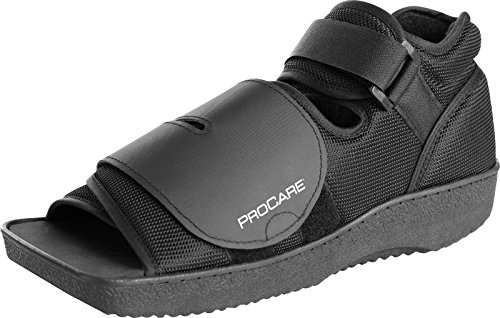
1. ProCare Squared Toe Post-Op Shoe
Rating: 9.0/10
After surgery or an injury to your foot or toes, you need something to protect it. The ProCare Squared Toe Post-Op Shoe is designed to do just that. It keeps your bandages clean and your toes dry. This shoe offers strong protection for your foot after operations or if you hurt your forefoot. It comes in many sizes to fit everyone perfectly.
What We Like:
- It keeps your bandages clean and your toes dry.
- The square toe design acts like a bumper, giving your toes extra room and making it comfy.
- The special sole helps you walk easier and puts less pressure on your foot.
- High straps keep your foot in the right place.
- You can wear it on either your left or right foot, making it super easy to use.
- It’s available in X-Small, Small, Medium, Large, and X-Large sizes.
What Could Be Improved:
- While the rocker sole helps with walking, it might feel a little stiff for some users.
- The shoe is designed for protection, so it’s not meant for long walks or everyday fashion.
This post-op shoe is a reliable choice for protecting your foot during recovery. It offers comfort and stability when you need it most.
2. LeIsfIt Womens Wide Barefoot Walking Shoes Adjustable Diabetic Shoes for Arthritis Edema Swollen Feet Zero Drop Sole Purple Size 9

Rating: 8.7/10
Step into comfort and support with the LeIsfIt Womens Wide Barefoot Walking Shoes. These purple, size 9 shoes are designed to help your feet feel their best, whether you’re dealing with arthritis, swelling, or just want a more natural walking experience. They offer a generous fit and thoughtful features to keep your feet happy all day long.
What We Like:
- Roomy Toe Box: The wide toe design lets your feet spread out naturally, which is super comfortable.
- Breathable Comfort: The mesh upper keeps your feet cool and dry, even during workouts.
- Adjustable Fit: Hook-and-loop straps let you easily adjust the tightness for a perfect fit, great for swollen feet or different foot shapes.
- Great for Foot Conditions: These shoes are a fantastic option for people with diabetes, bunions, or arthritis.
- Non-Slip Traction: The rubber sole has special patterns to prevent slips, giving you confidence on any floor.
- Natural Foot Movement: The zero-drop sole encourages good posture and strengthens your foot and calf muscles.
- Versatile for Activities: You can wear these shoes for walking, running, hiking, and many other exercises.
What Could Be Improved:
- Style Options: While the purple is nice, more color choices would be a great addition.
- Arch Support: For those who need extra arch support, an insert might be necessary.
Overall, these LeIsfIt barefoot shoes offer a winning combination of comfort, adjustability, and natural foot support. They are a solid choice for anyone seeking a more comfortable and active lifestyle.
3. Hilph Foot & Toes Ice Pack Wrap for Broken Toes & Surgery Recovery

Rating: 9.2/10
Dealing with foot pain can really slow you down. Whether you’ve broken a toe, had surgery, or are just suffering from common issues like plantar fasciitis or bunions, the Hilph Foot & Toes Ice Pack Wrap is designed to bring you relief. This wearable gel ice pack wraps around your entire forefoot and toes, offering 360-degree cold therapy to help reduce swelling and ease soreness.
What We Like:
- Provides effective 360° relief for forefoot and toe pain, including after surgery or for injuries like broken toes.
- It’s easy to slip on like a sock and the adjustable strap ensures a snug, comfortable fit without irritation.
- The hands-free design means you can continue with daily activities while getting pain relief.
- Made with flexible, soft gel and stretchy fabric, it stays comfortable even after freezing.
- It can be used for both cold and hot therapy, making it versatile for different needs.
What Could Be Improved:
- The product is sold as a single unit, so you’ll need to buy two if you want to treat both feet.
- While it’s designed for universal fit, some users with very wide or very narrow feet might find the sizing less ideal.
This Hilph ice pack wrap offers a practical and comfortable way to manage foot pain and speed up recovery. It’s a good option for anyone needing targeted therapy for their forefoot and toes.
4. Women’s Orthopedic Slip-On Loafers Walking Shoes: Elastic Lace Loafers for Bunions

Rating: 8.7/10
Step into comfort and relief with these Women’s Orthopedic Slip-On Loafers. Designed for everyday wear, these shoes offer fantastic support, especially if you experience foot pain, bunions, or overpronation. They are also a great choice for those with diabetes who need supportive footwear.
What We Like:
- The premium quality insole has strong arch support and a comfy memory foam base.
- A latex metatarsal pad helps ease foot pressure and fatigue.
- Massaging gel waves absorb shock for all-day comfort.
- The breathable canvas upper keeps your feet cool and fits well.
- You can wear them as slip-ons or easily slide your feet in like slippers.
- They are very lightweight, making walking feel effortless.
- The EVA midsole and rubber outsole provide excellent grip and stability on different surfaces.
- These shoes can help with plantar fasciitis, corrected posture, and muscle fatigue.
- They offer extra cushioning in the forefoot, metatarsal, and heel areas.
What Could Be Improved:
- The description is quite long and could be more concise.
- More details about the “elastic lace” feature would be helpful.
These loafers are a smart investment for anyone seeking comfortable and supportive shoes. They offer a great blend of style and function for your daily adventures.
5. JOINFREE Womens Slippers Wide Diabetic Shoes Adjustable Barefoot House Shoes Comfort Arthritis Edema Swollen Feet Walking Shoe for Elderly Black Size 8

Rating: 8.6/10
Discover ultimate comfort and support with the JOINFREE Women’s Slippers. Designed for those who need extra room and easy adjustability, these shoes are a game-changer for swollen feet, arthritis, and other foot concerns. Their thoughtful design makes walking and daily activities much more comfortable.
What We Like:
- Adjustable Strap: The dual hook and loop straps let you easily adjust the fit. This is great for different foot shapes and swelling. They are very durable and won’t fray.
- Wide Toe Box: Your toes have plenty of space to spread out. This helps your feet feel natural and comfortable, even after wearing them for a long time.
- Zero-drop and Anti-Slip Sole: The flat sole helps you stand and walk with better posture. The rubber sole gives you good grip on different surfaces, so you can walk safely.
- Breathable and Comfortable: The soft mesh fabric and cozy lining keep your feet warm. The “Heel Pillow” adds extra comfort and stops blisters.
- Versatile: You can wear these slippers for many occasions, like walking, working, relaxing at home, or even traveling. They are good for all seasons.
What Could Be Improved:
- While the black color is classic, offering a few more color options could appeal to a wider range of styles.
- The description mentions “walking shoe” as well as “slippers,” which might be slightly confusing for some buyers unsure if they are indoor-only or can be worn outside more robustly.
These JOINFREE slippers offer fantastic comfort and support for a variety of foot needs. They are a smart choice for anyone seeking relief and ease in their daily footwear.
Choosing the Right Shoes After Bunion Surgery: Your Comfort Guide
Having bunion surgery can be a relief, but the recovery period requires careful attention to your footwear. The right shoes can make a big difference in your comfort and healing. This guide will help you find the perfect shoes to wear after your bunion surgery.
Key Features to Look For
When shopping for post-bunion surgery shoes, prioritize these important features:
- Wide Toe Box: This is the most crucial feature. Your toes need plenty of room to spread out naturally. A narrow toe box can put pressure on your surgical site and cause pain. Look for shoes labeled as “wide” or “extra-wide,” or those with a naturally roomy design.
- Soft, Flexible Materials: Stiff shoes can irritate your foot. Choose materials that are soft and can bend easily with your foot’s natural movement. This helps avoid rubbing and pressure points.
- Adjustable Closures: Velcro straps or laces allow you to customize the fit. You can loosen them if your foot swells and tighten them for a secure feel. This adjustability is vital during the healing process.
- Good Arch Support: Even after surgery, proper arch support is important for overall foot health. It helps distribute weight evenly and reduces strain on your foot.
- Cushioned Insole: A well-cushioned sole absorbs shock and provides comfort with every step. This is especially helpful when you start walking more after surgery.
- Flat or Low Heel: Avoid high heels or even moderate heels. They shift weight forward onto the ball of your foot and can put extra pressure on your forefoot, which is exactly what you want to avoid. A slight, stable heel is acceptable for some, but flat is often best.
- Easy On and Off: You don’t want to struggle to put on your shoes. Shoes with wide openings or slip-on designs can be very convenient, especially if your mobility is temporarily limited.
Important Materials
The materials your shoes are made from play a big role in comfort and breathability.
- Leather: Genuine leather is a great choice. It’s soft, durable, and molds to your foot over time. It also tends to be breathable.
- Mesh: Mesh fabrics are lightweight and very breathable. They allow air to circulate, which helps keep your feet cool and dry. This is good for preventing irritation.
- Knit Fabrics: Similar to mesh, knit materials are often soft, flexible, and breathable. They can offer a snug yet comfortable fit.
- Avoid: Stiff plastics or synthetic materials that don’t allow for much give or airflow can be uncomfortable and trap moisture.
Factors That Improve or Reduce Quality
Several things can make a shoe better or worse for your post-surgery needs.
- Improved Quality:
- Padding: Extra padding around the ankle and tongue adds comfort.
- Stitching: Smooth, flat stitching inside the shoe prevents irritation.
- Sole Construction: A well-constructed sole that doesn’t easily bend in the middle (but bends at the toe) offers good support.
- Brand Reputation: Brands known for comfort and orthopedic features often produce higher-quality shoes.
- Reduced Quality:
- Hard, Unforgiving Materials: Shoes made from stiff synthetics or rough materials will likely cause discomfort.
- Poorly Placed Seams: Rough seams inside the shoe can rub and irritate your incision.
- Lack of Cushioning: A thin, hard sole offers no shock absorption.
- Narrow Fit: Any shoe that feels tight or constricting will reduce quality and comfort.
User Experience and Use Cases
People who have worn the right shoes after bunion surgery report a much smoother recovery.
- Daily Activities: Comfortable shoes allow you to walk around your home, run errands, and attend physical therapy sessions without added pain.
- Light Exercise: As you progress in your recovery, supportive shoes can help you with gentle walking or other low-impact activities.
- Reduced Swelling Management: Adjustable closures are a lifesaver for managing swelling that can occur during recovery.
- Preventing Further Issues: Wearing appropriate footwear helps protect your healing foot and prevents other foot problems from developing.
10 Frequently Asked Questions (FAQ)
Q: When can I start wearing regular shoes after bunion surgery?
A: Your doctor will tell you when it’s okay to switch from surgical shoes or boots to regular shoes. This usually depends on how your foot is healing, but it’s often several weeks after surgery.
Q: What kind of shoes should I wear immediately after surgery?
A: You’ll likely start with a special surgical shoe or boot provided by your doctor. These are designed to protect your foot and keep it stable.
Q: Can I wear sneakers after bunion surgery?
A: Yes, many people find comfortable sneakers to be a good option, as long as they have a wide toe box, good cushioning, and adjustable laces. Look for athletic shoes designed for comfort and support.
Q: Are slip-on shoes okay?
A: Slip-on shoes can be convenient, but make sure they have a roomy toe box and don’t require you to grip with your toes to keep them on. Shoes with adjustable straps are often a safer bet.
Q: How much should I expect to spend on post-surgery shoes?
A: Prices can vary widely. You can find decent options starting around $50-$100, but specialized orthopedic shoes might cost $150 or more. Investing in quality is often worth it for comfort.
Q: Should I buy shoes a size larger?
A: It’s not always about size, but about width. You might need a wider width, but the length should still be correct. Try shoes on later in the day when your feet might be a bit more swollen.
Q: What if my foot is still swollen?
A: Shoes with adjustable straps, like Velcro or laces, are essential. They allow you to loosen the shoe as your swelling changes throughout the day.
Q: Can I wear sandals after bunion surgery?
A: Most doctors advise against open-toed shoes or sandals until your foot is fully healed and your incision is closed. This is to protect your foot from injury and infection.
Q: Do I need special insoles?
A: Some shoes come with supportive insoles. If the shoe has good cushioning and arch support on its own, you might not need extra insoles. If you do, look for soft, supportive ones.
Q: Where is the best place to buy these shoes?
A: Specialty shoe stores, orthopedic shoe stores, and reputable online retailers that focus on comfort and orthopedic footwear are good places to start. Reading reviews from other customers can also be very helpful.
In conclusion, every product has unique features and benefits. We hope this review helps you decide if it meets your needs. An informed choice ensures the best experience.
If you have any questions or feedback, please share them in the comments. Your input helps everyone. Thank you for reading.