
Imagine walking on clouds, or maybe on sharp pebbles. For many people with neuropathy in their feet, this is a daily reality. Neuropathy can cause a tingling, burning, or numb feeling, making even the simplest steps uncomfortable. Finding the right shoes isn’t just about style; it’s about comfort, safety, and reclaiming your ability to move freely.
But where do you even begin? The world of footwear for neuropathy can feel overwhelming. You want shoes that offer cushioning, support, and protection, but also look good and fit well. It’s a delicate balance, and the wrong choice can lead to more pain, blisters, or even injuries. You might be tired of shoes that rub, pinch, or just don’t feel right, leaving you hesitant to go for a walk or enjoy your favorite activities.
This blog post is here to help. We’ll break down what makes a shoe ideal for neuropathy, so you can stop guessing and start walking with confidence. By the end, you’ll know exactly what features to look for, understand different shoe types, and feel empowered to choose footwear that truly supports your feet and your lifestyle. Let’s find your perfect pair and get you back on your feet!
Our Top 5 Shoes For Neuropathy Of The Feet Recommendations at a Glance
Top 5 Shoes For Neuropathy Of The Feet Detailed Reviews
1. Dr. Scholl’s Pressure Relief Insoles – The Only Proven Insole to Reduce Episodes of Nerve Pain

Rating: 9.3/10
Living with nerve pain, especially from diabetes, can make even simple steps feel difficult. Dr. Scholl’s Pressure Relief Insoles are designed to help. These special shoe inserts are made for women’s shoe sizes 6-10 and aim to bring comfort back to your feet by tackling nerve pain and pressure.
What We Like:
- These insoles are the only ones proven to help reduce nerve pain episodes caused by diabetic neuropathy. They help with burning, tingling, and throbbing feelings.
- A podiatrist helped create them, focusing on relieving pressure and helping blood flow in your feet.
- They help spread out the pressure on your feet, easing uncomfortable spots that can cause irritation or sores.
- They offer relief from burning, stabbing, and tingling sensations, making your feet feel better all day.
- The special foam keeps feet warm, which can help improve circulation and reduce coldness, a common issue for people with diabetes.
What Could Be Improved:
- While effective for nerve pain, they are designed specifically for this purpose and might not offer the same level of cushioning for other foot issues.
- Availability might be limited to specific retailers or online stores.
If you’re dealing with nerve pain in your feet, Dr. Scholl’s Pressure Relief Insoles could be a real game-changer for your daily comfort.
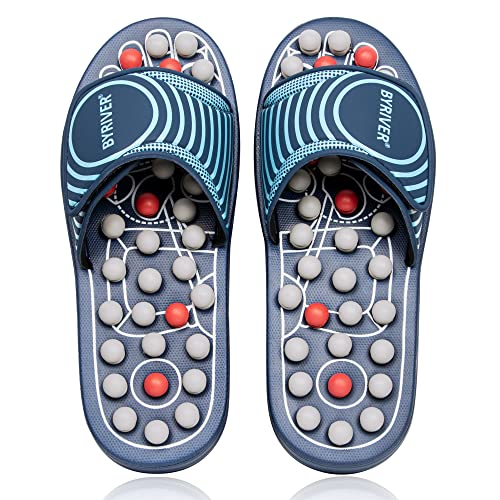
2. BYRIVER Acupuncture Massage Slippers Sandals Slides Shoes Mat
Rating: 8.7/10
Step into relief with the BYRIVER Acupuncture Massage Slippers! These aren’t your average slides. They’re designed to give your feet a therapeutic massage with every step. Imagine tiny massage knobs working their magic on your tired feet. They aim to help with common foot pain like plantar fasciitis and arthritis. They also target neuropathy pain and can even help improve circulation. This makes them a thoughtful gift for parents or anyone who spends a lot of time on their feet.
What We Like:
- Pain Relief Potential: Users report relief from foot pain, plantar fasciitis, and arthritis.
- Improved Circulation: The massage buttons stimulate acupuncture points, potentially boosting blood flow.
- Convenient Relaxation: You can get a foot massage anytime, anywhere, especially after a long day.
- Adjustable Fit: The strap allows for a better fit for different foot shapes.
- Thoughtful Gift Idea: A great present for Mom and Dad, especially around Mother’s and Father’s Day.
What Could Be Improved:
- Initial Discomfort: Expect some pain at first as your feet adjust to the massage knobs.
- Break-in Period: It takes time, about 1-2 weeks, to get used to wearing them.
- Short Initial Wear Times: You should only wear them for 3-5 minutes at a time when starting.
While there’s a bit of a learning curve with these slippers, the potential for lasting foot comfort makes them worth considering. Give your feet the attention they deserve!
3. Hike Barefoot Shoes for Women Men

Rating: 8.6/10
Step into a world of natural comfort and adventure with these Hike Barefoot Shoes. Designed for both men and women, these shoes mimic the feeling of walking barefoot. They offer a wide toe box, letting your toes spread out naturally. The breathable materials keep your feet cool and comfortable, no matter what you’re doing. Plus, their stylish white color makes them a great addition to any outfit.
What We Like:
- The wide toe box gives your feet plenty of room to move.
- They feel very breathable, keeping your feet from getting too hot.
- The non-slip sole provides great grip on different surfaces, making them safe for hiking and other activities.
- They are waterproof and dry quickly, which is perfect for wet trails or water sports.
- These shoes are great for people with foot problems like neuropathy or high arches, offering good support.
- They look good and can be worn for many different occasions, from casual walks to slightly dressier events.
What Could Be Improved:
- Some users might find the “barefoot” feel takes some getting used to if they’re not accustomed to it.
- While stylish, the white color might show dirt more easily on rough trails.
These barefoot shoes offer a fantastic blend of comfort, safety, and style. They are a versatile choice for anyone looking to experience more natural foot movement.
4. Dr. Scholl’s Pressure Relief Insoles – The Only Proven Insole to Reduce Episodes of Nerve Pain

Rating: 8.6/10
Suffering from foot nerve pain can make even simple tasks difficult. Dr. Scholl’s Pressure Relief Insoles are designed to help. These insoles are the only ones proven to lessen nerve pain episodes, especially from diabetic neuropathy. They target burning, tingling, and throbbing feelings, offering comfort. They are also good for diabetics and help reduce pressure on your feet. This pack is for men’s shoe sizes 8-14.
What We Like:
- Clinically proven to reduce nerve pain episodes from diabetic neuropathy.
- Targets burning, tingling, and throbbing discomfort for soothing relief.
- Co-created with a podiatrist to focus on pressure relief and circulation.
- Distributes foot pressure to ease hotspots, helping prevent irritation and ulcers.
- Open-cell cushioning foam keeps feet warm, which can improve circulation and reduce coldness.
- Provides all-day comfort for sensitive feet.
What Could Be Improved:
- May take some time to adjust to the feel of the insoles.
- The relief level might vary for individuals with very severe neuropathy.
These insoles offer significant relief for nerve pain and are a valuable tool for anyone dealing with foot discomfort. They provide a proven way to improve your daily comfort and foot health.
5. BraceAbility Neuropathy Socks (Pair) – Peripheral Neuritis Compression Diabetic Toeless Foot Sleeves for Nerve Damage Pain in Feet

Rating: 9.1/10
Dealing with foot pain can be tough. The BraceAbility Neuropathy Socks aim to make things better. These toeless compression sleeves offer support for many common foot issues. They are designed to help with nerve pain, swelling, and general discomfort in your feet and ankles. Whether you have diabetes, gout, or plantar fasciitis, these socks are meant to provide relief.
What We Like:
- They come in different sizes to fit almost everyone, from teens to adults.
- The socks are made of thin, breathable material, so you can wear them all day, even with shoes.
- You can buy them one pair at a time or in packs of two or three for extra value.
- They help ease pain from neuropathy, diabetes, arthritis, and plantar fasciitis.
- The compression design helps improve blood flow and reduce swelling in your feet and ankles.
What Could Be Improved:
- The sizing chart might need careful checking to ensure the best fit.
- While comfortable, they are a sleeve and not a full sock, which might not be preferred by everyone.
These BraceAbility Neuropathy Socks offer a comfortable way to manage foot pain. They provide targeted support and can be worn throughout the day for continuous relief.
Choosing the Right Shoes for Neuropathy of the Feet
When you have neuropathy in your feet, finding the right shoes is super important. It can make walking much more comfortable and safer. Neuropathy means your nerves are damaged, often causing tingling, numbness, or pain. Good shoes help protect your feet and make every step feel better.
Key Features to Look For
When you shop for shoes for neuropathy, keep these important things in mind.
- Wide Toe Box: Your toes need plenty of room. A wide toe box stops your toes from getting squeezed. This helps prevent more nerve damage and discomfort.
- Deep Interior: Shoes need to have enough space inside. This allows for special insoles or orthotics if you need them.
- Cushioning: Soft soles absorb shock. This is very important because damaged nerves can’t feel pressure well. Good cushioning protects your feet from hard surfaces.
- Seamless Interior: Rough seams can rub and cause sores. Shoes with smooth insides are much gentler on sensitive feet.
- Adjustable Closures: Velcro straps or laces let you adjust how snug the shoe is. This is helpful if your feet swell during the day.
- Lightweight: Heavy shoes can make walking harder. Lighter shoes feel more natural and are easier to wear for longer periods.
Important Materials
The materials used in shoes play a big role in comfort and protection.
- Soft Leather: Genuine leather is often soft and breathable. It can also stretch to fit your feet better over time.
- Breathable Mesh: Mesh allows air to flow through. This keeps your feet cool and dry, which is good for preventing irritation.
- Padded Collars and Tongues: These soft parts add extra comfort around your ankle and the top of your foot.
- Removable Insoles: Being able to take out the original insole lets you add your own custom ones for better support.
Factors That Improve or Reduce Quality
Some shoe qualities make a big difference, while others can cause problems.
- Good Quality: Shoes made with strong stitching and durable materials tend to last longer. They also offer better support and protection.
- Poor Quality: Shoes with cheap glue or thin soles might fall apart quickly. They might also have rough spots inside that can hurt your feet.
- Fit: A shoe that fits well is key. It should not be too tight or too loose.
- Support: Good arch support can help. It keeps your foot in a natural position while you walk.
User Experience and Use Cases
People with neuropathy often use these shoes for daily activities.
Many users report that these shoes make a huge difference in their daily lives. Walking becomes less painful. They feel more confident moving around. People use them for:
- Everyday Walking: Going to the store, walking the dog, or just around the house.
- Light Exercise: Some shoes are good for gentle walks or stationary biking.
- Standing for Long Periods: If you have a job where you stand a lot, these shoes can help reduce fatigue.
- Preventing Foot Injuries: The extra protection helps stop cuts, blisters, or pressure sores.
Frequently Asked Questions (FAQ)
Q: What makes shoes good for neuropathy?
A: Shoes good for neuropathy have wide toe boxes, deep interiors, soft cushioning, and seamless insides. They protect your feet and reduce discomfort.
Q: Can I wear my regular sneakers?
A: Regular sneakers might not have enough cushioning or room for your feet. It’s better to choose shoes made specifically for neuropathy.
Q: How do I know if a shoe fits right?
A: There should be about a thumb’s width between your longest toe and the end of the shoe. Your heel should not slip when you walk.
Q: Should I get shoes with arch support?
A: Yes, good arch support can help keep your feet stable and comfortable.
Q: What if I need special insoles?
A: Look for shoes with removable insoles. This allows you to easily put in your own custom orthotics.
Q: Are waterproof shoes important?
A: Breathable shoes are usually more important to keep feet dry and prevent irritation.
Q: How often should I replace my shoes?
A: You should replace them when the cushioning wears out or when they start to show signs of damage.
Q: Can diabetic shoes help with neuropathy?
A: Yes, diabetic shoes are often designed with the features needed for neuropathy, like extra cushioning and wide toe boxes.
Q: Where can I buy these special shoes?
A: You can find them at shoe stores, medical supply stores, and online retailers.
Q: What if my feet are very sensitive?
A: Look for shoes with extra padding and seamless interiors. Trying them on before buying is very helpful.
In conclusion, every product has unique features and benefits. We hope this review helps you decide if it meets your needs. An informed choice ensures the best experience.
If you have any questions or feedback, please share them in the comments. Your input helps everyone. Thank you for reading.