
Imagine taking your first steps after a broken foot. It’s a moment of joy, but also one filled with uncertainty. What if the wrong shoes make that progress painful or even set you back? Choosing the right footwear for a recovering broken foot isn’t just about comfort; it’s about safety, support, and helping your foot heal properly.
Many people find this process confusing. You might wonder: “What kind of support do I need?” or “Will these shoes protect my healing bone?” The sheer variety of options can feel overwhelming, and the fear of making the wrong choice can add extra stress to an already challenging time. You need shoes that are gentle but firm, offering the right kind of stability without putting pressure on your injury.
This post is here to help. We’ll break down exactly what to look for in shoes designed for broken foot recovery. You’ll learn about the key features that make a big difference, and we’ll guide you toward making smart choices so you can walk with confidence and get back to doing what you love, sooner. Let’s explore the best options to support your journey back to full strength.
Our Top 5 Shoes For Broken Foot Recovery Recommendations at a Glance
Top 5 Shoes For Broken Foot Recovery Detailed Reviews
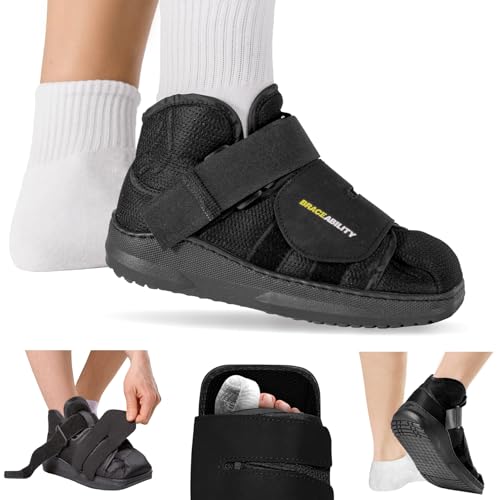
1. BraceAbility Closed Toe Medical Walking Shoe – Lightweight Broken Toe Cast Boot
Rating: 8.8/10
The BraceAbility Closed Toe Medical Walking Shoe is a sturdy and comfortable boot designed to help you recover from foot injuries. Whether you have a broken toe, a stress fracture, or are healing from surgery, this shoe offers great support. It’s made for both men and women and fits either the left or right foot, making it a versatile choice for many people.
What We Like:
- It offers excellent protection for your foot, toes, ankle, and leg after surgery.
- The closed-toe design keeps bandages and dressings clean and dry.
- The roomy toe box gives space for swelling or socks.
- Its non-skid sole provides stable walking indoors and outdoors.
- The boot is lightweight and has adjustable straps for a custom, secure fit.
- It helps reduce pressure on your foot while walking.
- This boot supports recovery from many different foot issues like stress fractures and bunions.
What Could Be Improved:
- You need to check the size chart carefully to ensure a good fit.
- While it’s a great support boot, it’s not meant for long-term, everyday wear.
This walking shoe is a reliable companion for your healing journey, offering comfort and security. It’s a smart choice for anyone needing extra support and protection for their injured foot.
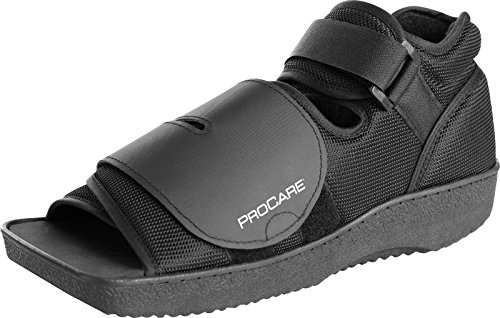
2. ProCare Squared Toe Post-Op Shoe
Rating: 8.9/10
The ProCare Squared Toe Post-Op Shoe offers excellent protection and comfort after foot surgery or injuries. Its smart design helps keep your foot safe and dry while you heal. This shoe is made to help you walk more easily during your recovery.
What We Like:
- It keeps your bandages clean and your toes dry.
- The square toe acts like a bumper and gives your toes extra space.
- It helps you walk better and takes pressure off your foot.
- The straps keep your foot in the right spot.
- You can wear it on either your left or right foot.
- It comes in many sizes: X-Small, Small, Medium, Large, and X-Large to fit most people.
What Could Be Improved:
- The description doesn’t mention if it’s breathable for long-term wear.
- We’d like to know if it’s machine washable or how to clean it easily.
This post-op shoe is a solid choice for recovery. It provides the support and protection needed to help your foot heal comfortably.
3. BraceAbility Closed Toe Medical Walking Shoe – Lightweight Broken Toe Cast Boot
Rating: 9.2/10
The BraceAbility Closed Toe Medical Walking Shoe is a game-changer for anyone recovering from a foot injury or surgery. This boot offers fantastic support and protection for your foot, ankle, and leg. It’s designed to keep your injured area safe, whether you’re dealing with a broken toe, a stress fracture, or recovering from bunion surgery. The closed-toe design is a big plus, helping to keep bandages clean and dry. Plus, it’s super comfortable and adjustable, making it a great option for both men and women.
What We Like:
- Comfortable and Secure Fit: The adjustable straps let you customize the fit for maximum comfort. It’s roomy enough to accommodate swelling, socks, or even a cast.
- Excellent Protection: The closed-toe design shields your injured foot, keeping it safe from bumps and keeping dressings clean.
- Stable and Safe Walking: The non-skid sole provides great traction, whether you’re walking inside or outside, and the rocker sole helps you walk more naturally.
- Versatile Recovery Support: This boot is great for many types of injuries, including stress fractures, sprained ankles, and post-surgery recovery for conditions like hammertoes.
- Lightweight Design: It doesn’t feel heavy, making it easier to move around during your recovery.
What Could Be Improved:
- Sizing Chart Reliance: While there’s a size chart, it’s crucial to measure carefully to ensure the best fit.
- Bulkiness for Some Activities: For very light activities, it might feel a bit bulkier than a standard shoe.
This BraceAbility walking shoe offers reliable support and comfort, making your recovery process smoother and safer. It’s a practical choice for anyone needing extra protection and stability for their foot.
4. GHORTHOUD Post op Shoes for Broken Toe Surgery Forefoot Offloading Healing Boot Post Surgical Wedge Foot Splint for Surgery for Men and Women (Medium)

Rating: 8.6/10
Navigating recovery after foot surgery or injury can be tough, but the GHORTHOUD Post op Shoes are designed to make it easier. This healing boot, specifically the Medium size, offers a unique forefoot off-loading design that helps you heal by taking pressure off your injured area. It’s a smart choice for anyone dealing with broken toes, metatarsal fractures, or diabetic foot issues.
What We Like:
- The 15-degree wedge design effectively shifts your weight to your heel, reducing pressure and pain on your forefoot.
- It comes in multiple sizes, and the detailed size chart helps you find the perfect fit by measuring your foot length.
- Moveable hook and loop straps allow for easy adjustment, accommodating bandages during injury and providing comfort as you recover.
- The upper is made of breathable, medical-grade fabric to keep your foot cool and comfortable all day.
- The non-slip rubber sole offers good traction on various surfaces, giving you confidence with every step.
What Could Be Improved:
- While the off-loading design is excellent, some users might find the 15-degree angle a bit steep initially.
- The product description doesn’t explicitly mention if the boot is ambidextrous (can be worn on either foot), which could be a helpful clarification.
The GHORTHOUD Post op Shoes offer a well-thought-out solution for post-surgical and injury recovery. Its focus on off-loading and comfort makes it a valuable tool for healing.
5. United Ortho Post-Op Shoe – Orthopedic Adjustable Recovery Shoe For Broken Foot or Toe

Rating: 8.7/10
If you’ve recently injured your foot or had surgery, the United Ortho Post-Op Shoe is designed to help you recover comfortably. This shoe is made for both broken feet and toes, and it’s perfect for after surgery. It’s a lightweight medical shoe that works for either your left or right foot. This specific size is a Women’s Small, fitting shoe sizes 4 to 6.
What We Like:
- The rocker sole makes walking easier. It helps you move forward with each step.
- The semi-rigid sole gives your foot good support. This is important for healing.
- The forefoot closure makes it simple to put the shoe on and take it off. It also fits well even if you have a large dressing on your foot.
- The square toe design is smart. It allows the shoe to fit comfortably on either your left or right foot.
- It’s lightweight, making it easier to wear around the house or for short trips.
What Could Be Improved:
- While it fits a range of small sizes, some users might find the sizing a bit restrictive.
- For longer-term wear, additional cushioning might be desired by some individuals.
This shoe offers practical support and ease of use during your recovery. It’s a solid choice for managing foot injuries and post-operative care.
Stepping Towards Healing: Your Guide to Shoes for Broken Foot Recovery
Recovering from a broken foot is tough. You need the right support to heal properly. Special shoes can make a big difference. This guide helps you find the best shoes to help your foot get better.
What to Look for in Recovery Shoes
1. Excellent Support and Stability
Your broken foot needs to stay still to heal. Look for shoes with strong soles. They should keep your ankle and foot from moving too much. A good shoe wraps around your foot snugly. This stops it from rolling or twisting.
2. Adjustable Fit
Swelling is common after a foot break. You need shoes that can adjust to your foot’s size. Look for shoes with Velcro straps or laces. These let you loosen or tighten the shoe as needed. This makes them comfortable all day long.
3. Lightweight Design
You don’t want heavy shoes when your foot hurts. Lightweight shoes are easier to walk in. They put less strain on your healing foot and your body. This helps you move around more easily.
4. Breathable Materials
Your foot might swell and get warm. Breathable materials let air flow. This keeps your foot cool and dry. It also helps prevent skin irritation. Look for shoes made with mesh or canvas.
5. Non-Slip Soles
Falling can re-injure your foot. Shoes with non-slip soles offer better grip. They help prevent slips and falls, especially on smooth floors. This gives you peace of mind when you walk.
6. Easy On and Off
Bending over to tie shoes can be hard with a broken foot. Shoes that are easy to slip on or have simple closures are best. This makes getting ready much simpler.
Important Materials for Recovery Shoes
- Mesh: This material is very breathable. It lets air circulate and keeps your foot cool.
- Canvas: Canvas is a strong but soft fabric. It offers good support and is comfortable.
- Foam Insoles: Soft foam insoles add extra cushioning. They absorb shock and make walking more comfortable.
- Rubber Soles: Durable rubber soles provide good traction. They help prevent slips.
- Adjustable Straps (Velcro or Buckle): These allow you to customize the fit. They are great for managing swelling.
Factors That Improve or Reduce Quality
Improving Quality:
- Sturdy Construction: Shoes that are well-made last longer. They offer better support for a longer time.
- Ergonomic Design: Shoes designed with your foot’s natural shape in mind are more comfortable. They help your foot heal correctly.
- Padded Collars and Tongues: Extra padding around the ankle and on the tongue makes the shoe more comfortable. It reduces pressure points.
Reducing Quality:
- Poor Stitching: Loose or weak stitching can cause shoes to fall apart quickly.
- Thin, Flimsy Soles: These offer little support. They can wear out fast.
- Non-Breathable Materials: These trap heat and moisture. This can lead to discomfort.
- Lack of Adjustability: If a shoe can’t be adjusted, it won’t fit well as your foot changes.
User Experience and Use Cases
People recovering from broken feet use these shoes in many ways. They wear them at home to walk around safely. They also use them for doctor’s appointments. Some people wear them with a walking boot. The shoes provide comfort and support. They help people regain their mobility. Users often say these shoes make their recovery much easier. They feel more secure when walking.
Frequently Asked Questions About Recovery Shoes
Q: What is the main purpose of special shoes for a broken foot?
A: These shoes provide extra support and stability. They help protect your healing foot and prevent further injury.
Q: Do I need a doctor’s recommendation for these shoes?
A: It’s always a good idea to ask your doctor or physical therapist. They can suggest the best type of shoe for your specific injury.
Q: Can I wear my regular shoes during recovery?
A: Usually, no. Regular shoes often don’t offer enough support or adjustability for a healing foot. They might also rub or put pressure on the injured area.
Q: How do I know if the shoe fits correctly?
A: There should be about a thumb’s width of space between your longest toe and the end of the shoe. Your heel should not slip when you walk. The shoe should feel snug but not tight.
Q: Can I wear these shoes if I have swelling?
A: Yes, many recovery shoes are designed for swelling. Look for adjustable straps that let you loosen the shoe as your swelling goes down.
Q: Are these shoes good for walking long distances?
A: While they offer support, they are primarily for recovery. For long walks, always follow your doctor’s advice about when you can resume such activities.
Q: Can I wear socks with these shoes?
A: Yes, you can wear thin socks. If you are using a special liner or cast, follow your doctor’s instructions about sock use.
Q: How do I clean my recovery shoes?
A: Check the shoe’s care label. Most can be wiped clean with a damp cloth. Some mesh parts might be hand-washable.
Q: When can I stop wearing recovery shoes?
A: Your doctor will tell you when it’s safe to switch back to regular shoes. This usually happens when your foot has healed well and swelling has gone down.
Q: Are these shoes good for both men and women?
A: Yes, many brands offer unisex styles. Always check the sizing chart to ensure a proper fit.
In conclusion, every product has unique features and benefits. We hope this review helps you decide if it meets your needs. An informed choice ensures the best experience.
If you have any questions or feedback, please share them in the comments. Your input helps everyone. Thank you for reading.