
Did you know that people with diabetes need to be extra careful about their feet? It’s true! High blood sugar can hurt nerves and blood vessels in your feet. This means you might not feel a cut or blister right away. That’s why choosing the right shoes is super important. It’s not just about looking good; it’s about keeping your feet healthy and safe.
Finding the perfect shoes for diabetes can feel like a puzzle. You want shoes that fit well, are comfortable, and protect your feet, but where do you even start? Many shoes don’t offer the special features needed. This can lead to worry and frustration. You might wonder if you’re making the best choice for your health.
But don’t worry! This blog post is here to help. We’ll walk you through exactly what to look for in diabetic-friendly shoes. You’ll learn about the best materials, the right fit, and the features that make a big difference. By the end, you’ll feel confident about picking shoes that will keep your feet happy and healthy, so you can keep moving and enjoying life.
Our Top 5 Shoes For A Diabetic Recommendations at a Glance
Top 5 Shoes For A Diabetic Detailed Reviews
1. Comfortable Brown Womens Shoes Extra Wide Non Slip Diabetic Shoes Adjustable Neuropathy Bunion Arthritis Shoe Casual Knitted Flat Shoes Size 8.5

Rating: 9.5/10
These comfortable brown women’s shoes are designed for extra wide feet and offer a non-slip, adjustable fit, making them ideal for people with neuropathy, bunions, or arthritis. They are also casual knitted flat shoes, perfect for everyday wear.
What We Like:
- The extra wide toe box lets your toes spread out naturally. This helps with foot problems like bunions and swelling.
- Adjustable straps let you customize the fit for your feet. They are great for people with diabetes, swelling, or pain.
- The stretchy knit upper feels light and breathable. It helps keep your feet cool and reduces odor.
- The rubber sole has good grip to prevent slips. The zero-drop sole helps you feel more stable and strengthens your foot muscles.
- These shoes are versatile and work for many activities, like walking, exercising, and traveling.
What Could Be Improved:
- While the knitting is comfortable, it might not offer as much support for very strenuous activities.
- The “barefoot shoe” feel might take some getting used to if you prefer a lot of cushioning.
These shoes offer a fantastic combination of comfort and support for a variety of foot needs. They are a smart choice for anyone seeking relief and a better walking experience.
2. LeIsfIt Womens Slippers Wide Diabetic Shoes Adjustable Arthritis Edema House Shoes Indoor Outdoor Slippers Black Size 9

Rating: 8.6/10
The LeIsfIt Womens Slippers are designed for ultimate comfort and support, especially for those with wide feet or conditions like diabetes, arthritis, or edema. These versatile slippers offer both indoor and outdoor wearability, making them a practical choice for many situations.
What We Like:
- Wide Toe Box: The roomy toe area lets your feet relax and spread out naturally, providing great comfort.
- Adjustable Fit: The hook-and-loop closure lets you easily adjust the slipper to fit your foot perfectly, which is great for swollen feet or different foot shapes.
- Excellent Grip: The non-slip rubber sole with special patterns keeps you safe on smooth floors, preventing slips.
- Cozy Warmth: The soft plush lining and insole keep your feet toasty warm, perfect for chilly days.
- Versatile Use: You can wear these slippers around the house, at the office, while traveling, or even for light yoga.
What Could Be Improved:
- Limited Color Options: Currently, these slippers are only available in black, which might not suit everyone’s style.
- Durability of Closure: While adjustable, the long-term durability of the hook-and-loop fastener could be a concern for some users with frequent adjustments.
These LeIsfIt slippers offer a fantastic combination of comfort, adjustability, and safety features. They are a smart choice for anyone seeking relief and warmth for their feet.
3. Spesoul Wide Womens Walking Shoes Adjustable Diabetic Shoes Breathable Zero Drop Barefoot Shoe Neuropathy Edema Nursing Shoe Wide Width Sneakers 9 Black

Rating: 8.7/10
Meet your new favorite walking companions: the Spesoul Wide Womens Walking Shoes. These sneakers are designed for ultimate comfort and support, especially if you deal with foot swelling, diabetes, or other foot conditions. They offer a natural feel and a secure fit, making them perfect for all-day wear.
What We Like:
- The wide toe box gives your feet plenty of room to spread out naturally, reducing discomfort from swollen feet.
- Adjustable hook-and-loop straps let you customize the fit perfectly, which is great for different foot shapes and conditions like bunions or edema.
- The breathable knit upper keeps your feet cool and dry, no matter the season.
- Zero-drop soles promote good balance and a natural walking motion, and the non-slip rubber soles provide excellent grip.
- These shoes are incredibly versatile, working for everything from office walks and gym workouts to long travel days and casual errands.
What Could Be Improved:
- While the knit upper is breathable, it might not offer as much warmth in very cold weather.
- The “barefoot shoe” design, while beneficial for some, might take some getting used to if you prefer more cushioning.
These Spesoul walking shoes offer fantastic comfort and adaptability for many foot needs. They are a smart choice for anyone seeking supportive and comfortable footwear for daily activities.
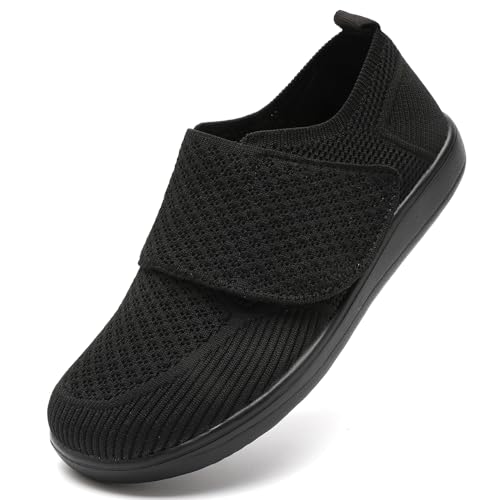
4. RJYWGS Diabetic Shoes for Women Wide Toe Box Shoes Extra Wide Width Orthopedic Sneakers for Edema Feet Comfortable Zero Drop Non Slip Walking Women Black Size 8.5
Rating: 9.0/10
Introducing the RJYWGS Diabetic Shoes for Women, a fantastic option for anyone seeking comfort and support. These black sneakers, size 8.5, are designed with your feet in mind. They offer a generous wide toe box and an extra-wide width, making them ideal for swollen feet or edema. The breathable material keeps your feet cool, and the non-slip sole provides stability while walking.
What We Like:
- The adjustable strap design lets you customize the fit. This is great for swollen feet.
- The extra-wide toe box gives your toes plenty of room. It relieves pressure and feels comfortable.
- The breathable knit mesh keeps your feet cool and dry. The soft, seamless interior prevents irritation.
- The EVA sole is lightweight and flexible. It absorbs shock and offers good support.
- The non-slip outsole improves your grip. This makes walking more stable and safer.
- These shoes are versatile. They work well for many foot conditions and for different activities.
What Could Be Improved:
- While the shoes are described as “zero drop,” some users might prefer more cushioning for longer periods of standing.
- The “barefoot shoes” description might imply a very minimalist feel. Those accustomed to more traditional shoe support may need time to adjust.
These RJYWGS shoes offer excellent comfort and support for everyday wear. They are a smart choice for anyone needing specialized footwear.
5. SILENTCARE Diabetic Shoes for Men Extra Wide Slip On Shoes for Swollen Feet Adjustable Walking Shoes for Elderly Foot Pain Relief Neuropathy

Rating: 8.7/10
Introducing the SILENTCARE Diabetic Shoes for Men, a fantastic choice for anyone needing extra comfort and support. These shoes are specifically designed to help men with swollen feet, foot pain, or neuropathy. They are easy to slip on and offer a secure, adjustable fit. Whether you’re walking around the house or out for a stroll, these shoes provide relief and make every step more comfortable.
What We Like:
- Diabetic-Friendly Design: The inside of the shoe is smooth and has no irritating seams, which is great for sensitive feet. Soft padding helps cushion your feet and protect them.
- Extra Wide for Swollen Feet: The toe area is extra wide, giving plenty of room for swollen or wide feet. This reduces pressure points and makes your feet feel better.
- Adjustable Strap: The wide strap easily adjusts to give you a snug and secure fit. It makes putting the shoes on and taking them off much simpler, especially if you have trouble bending.
- Safe Sole: The sole is made of a special material that absorbs shock and keeps you steady. It also has a non-slip pattern to help prevent slips and falls.
- Breathable Comfort: The inside lining lets air flow freely, keeping your feet dry and cool. This is very important for people managing diabetes or foot sensitivity.
What Could Be Improved:
- Style Options: While comfort is key, a wider variety of colors or styles might appeal to more users.
- Durability of Straps: Long-term use of the adjustable straps could potentially lead to wear and tear, though this is common with this type of closure.
These SILENTCARE diabetic shoes offer exceptional comfort and safety for everyday wear. They are a smart investment for anyone seeking relief from foot pain and swelling.
Choosing the Right Shoes for Diabetes: Your Essential Guide
Living with diabetes means paying extra attention to your feet. Special shoes can make a big difference in comfort and health. This guide helps you find the best shoes to protect your feet.
Why Special Shoes Matter for Diabetes
Diabetes can affect your nerves and blood flow, especially in your feet. This means you might not feel pain as well, and cuts or sores can heal slowly. The right shoes help prevent these problems. They protect your feet from injury and keep them comfortable all day.
Key Features to Look For
When you shop, keep these important features in mind:
- Wide Toe Box: Your toes need space. A wide toe box prevents them from rubbing together. This stops blisters and corns.
- Deep Depth: Some diabetic shoes have extra room inside. This allows for special insoles or braces if you need them.
- Adjustable Closures: Velcro straps or laces that you can adjust are great. They let you get a snug fit without pressure points.
- Padded Tongue and Collar: These soft areas around your ankle and the top of your foot add extra comfort. They also help prevent rubbing.
- Seamless Interior: Rough seams can irritate your skin. Shoes with smooth interiors are much better for sensitive feet.
- Good Arch Support: Proper support helps distribute pressure evenly across your foot. This can reduce pain and fatigue.
- Removable Insoles: This is important if you use custom orthotics or need to replace the original insoles with ones that offer more cushioning.
Important Materials
The materials your shoes are made from affect how they feel and protect your feet.
- Soft, Breathable Leather: Genuine leather is a good choice. It molds to your foot and lets air circulate. This keeps your feet dry and cool.
- Breathable Mesh: Mesh uppers are very light and airy. They are excellent for preventing sweat and keeping your feet comfortable, especially in warmer weather.
- Padded Linings: Soft, moisture-wicking linings inside the shoe help prevent irritation and absorb sweat.
Factors That Improve or Reduce Quality
- Good Construction: Shoes that are well-made with strong stitching and durable soles will last longer. They also offer better support.
- Flexible Soles: Soles that bend easily with your foot allow for natural movement. This makes walking more comfortable.
- Non-Slip Outsoles: A good grip on the bottom of the shoe prevents slips and falls. This is crucial for safety.
- Stiff Heel Counter: The back of the shoe that cups your heel should be firm. This provides stability and support.
- Poorly Placed Seams: Seams that rub or are too thick can cause irritation and sores.
- Stiff, Unforgiving Materials: Shoes made from hard plastics or stiff fabrics won’t adapt to your foot shape. They can create pressure points.
- Lack of Cushioning: Insufficient padding means less shock absorption. This can lead to foot pain.
User Experience and Use Cases
People with diabetes wear these shoes for everyday activities. They are great for:
- Walking: The cushioning and support make walking much more comfortable.
- Standing for Long Periods: If your job requires you to stand a lot, these shoes reduce fatigue.
- Daily Errands: Running to the store or picking up kids becomes easier.
- People with Foot Deformities: The wide toe box and deep depth can accommodate conditions like bunions or hammertoes.
- Those with Neuropathy: For people who have lost feeling in their feet, these shoes offer protection against unnoticed injuries.
Choosing the right shoes is an important step in managing your diabetes. Take your time, try different options, and find the pair that makes your feet happy and healthy.
Frequently Asked Questions About Diabetic Shoes
Q: What makes a shoe “diabetic-friendly”?
A: Diabetic-friendly shoes have special features like a wide toe box, deep interiors, and soft, seamless linings. These help protect feet that are more sensitive due to diabetes.
Q: Do I need a prescription for diabetic shoes?
A: You don’t always need a prescription. However, some insurance plans might require a doctor’s recommendation to cover the cost of specialized diabetic footwear.
Q: How should diabetic shoes fit?
A: They should fit snugly but not tightly. There should be about a thumb’s width of space between your longest toe and the end of the shoe. Your heel should not slip.
Q: Can I wear my regular sneakers if I have diabetes?
A: Regular sneakers might not offer enough protection. Diabetic shoes are designed with specific features to prevent common foot problems in people with diabetes.
Q: How often should I replace my diabetic shoes?
A: You should replace them when they start to show signs of wear, like thinning soles or worn cushioning. This is usually every 6-12 months, or sooner if you notice any issues.
Q: What is a “wide toe box” and why is it important?
A: A wide toe box means the front of the shoe is roomy for your toes. It prevents them from being squeezed, which can cause blisters, corns, and other painful issues.
Q: Can I wear my own orthotics with diabetic shoes?
A: Yes, many diabetic shoes have removable insoles. This allows you to use your custom orthotics or special insoles for added support or cushioning.
Q: What are the best materials for diabetic shoes?
A: Soft, breathable materials like genuine leather and mesh are best. They allow air to flow, keeping feet dry, and they mold to your foot shape.
Q: Should diabetic shoes have laces or Velcro?
A: Both can work well. The most important thing is that the closure allows for an adjustable, secure fit without putting too much pressure on your foot.
Q: Where can I buy good quality diabetic shoes?
A: You can find them at specialized shoe stores, medical supply stores, and reputable online retailers that focus on orthopedic or diabetic footwear.
In conclusion, every product has unique features and benefits. We hope this review helps you decide if it meets your needs. An informed choice ensures the best experience.
If you have any questions or feedback, please share them in the comments. Your input helps everyone. Thank you for reading.