
The first snowflake kisses your nose, and your running shoes feel suddenly out of place. Do you have to hang up your favorite hobby until spring? Not necessarily! Hitting the snowy trails can be incredibly beautiful and invigorating, but it also brings its own set of challenges for your feet.
Finding the right running shoes for snow can feel like a frustrating puzzle. You worry about slipping on ice, getting your feet soaked, or just not having enough grip to feel confident. Regular running shoes just don’t cut it when the ground turns white and slippery. It’s a common problem for many runners who want to keep their fitness going through the colder months.
But don’t worry! This post is here to help you conquer the winter miles. We’ll explore what makes a running shoe great for snow and ice. By the end, you’ll know exactly what to look for, so you can choose a pair that keeps you safe, warm, and moving forward. Get ready to embrace the winter run!
Our Top 5 Running Shoes For Snow Recommendations at a Glance
Top 5 Running Shoes For Snow Detailed Reviews
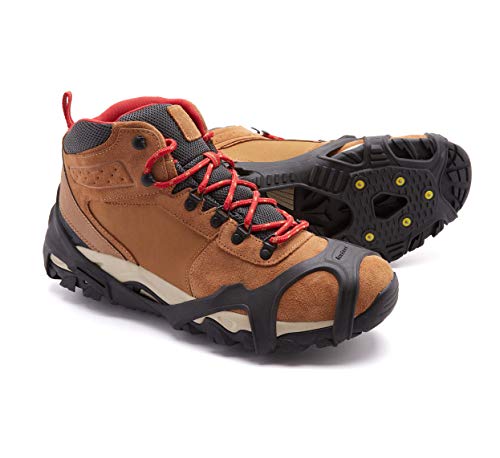
1. ICETRAX V3 Tungsten Crampons
Rating: 9.4/10
Winter walks just got a whole lot safer with the ICETRAX V3 Tungsten Crampons. These aren’t your average ice cleats. Designed in Canada for tough winter weather, they give you the grip you need to tackle snow and ice with confidence. Whether you’re walking the dog, running errands, or even out for a morning jog, these shoe grippers help prevent slips and falls.
What We Like:
- The 9 Tungsten Carbide spikes dig into ice and snow for amazing traction.
- The StayON toe cap keeps them securely on your shoes, so you don’t have to worry about them falling off.
- They are super easy to put on and take off in just seconds.
- The reflective heel makes you more visible at night, which is a great safety feature.
- These cleats are built tough with durable materials that won’t break in the cold.
- They are designed to fit many different types of shoes and boots.
What Could Be Improved:
- The S/M size is specific, so checking the shoe size chart carefully is important.
- While they are designed for harsh conditions, extreme ice might still present a challenge.
Overall, the ICETRAX V3 Tungsten Crampons offer excellent safety and peace of mind for winter adventures. They are a smart investment for anyone who wants to stay on their feet this season.
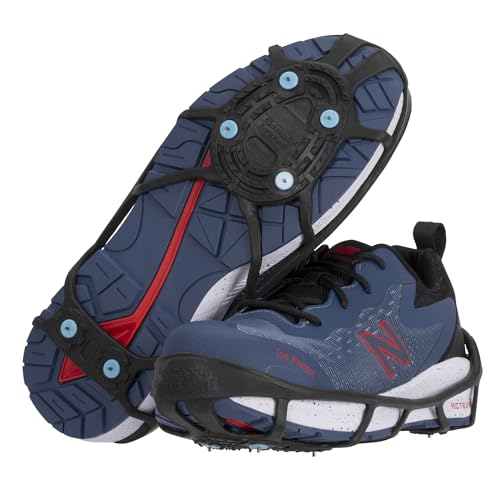
2. Due North Everyday G3 Ice Cleats for Shoes & Boots – Traction Spikes for Men & Women to Improve Grip on Snow & Ice
Rating: 8.8/10
Tackle winter’s icy challenges with confidence using the Due North Everyday G3 Ice Cleats. These clever traction spikes are designed for both men and women, giving you a much-needed grip on slippery snow and ice. Whether you’re walking the dog, running errands, or even enjoying a brisk jog, these cleats help keep you upright and safe.
What We Like:
- The pre-molded design makes them super easy to put on and take off your shoes or boots.
- They offer a comfortable fit, even when you’re on the move.
- Six military-grade Tungsten Carbide Due North Ice Diamond Spikes provide excellent traction, better than coils or steel.
- The spikes are replaceable, meaning these cleats will last you a long time.
- A textured lining keeps the cleats from moving around on your footwear.
- The enclosed toe area ensures a secure fit, so they stay put even during a run.
- They’re made from 100% natural rubber, making them easy to slip on and off.
- A solid traction pad stops snow and ice from building up between the cleat and your shoe.
What Could Be Improved:
- While they offer great traction, the design might be a bit bulky for very light or tight-fitting shoes.
- Availability might vary depending on your location.
These Due North Everyday G3 Ice Cleats are a smart investment for anyone who wants to stay safe and mobile during winter weather. They deliver reliable performance and peace of mind on icy surfaces.
3. Yaktrax Run Traction Cleats for Running on Snow and Ice (1 Pair)

Rating: 8.8/10
Don’t let winter weather stop your running routine! The Yaktrax Run Traction Cleats are designed by runners, for runners. They fit right over your favorite running shoes, so you can keep training even when the ground is covered in snow and ice. These cleats give you the confidence to tackle winter trails and roads.
What We Like:
- Unbeatable traction comes from a mix of 3mm carbide-steel spikes and 1.4mm stainless-steel coils.
- You get 360-degree grip on slippery surfaces, helping you stay steady in any direction.
- The rubber frame and straps keep your foot secure.
- Reflective straps on the heel and sides make you more visible in low light for added safety.
- They are built tough and tested to work even in very cold temperatures, down to -41 degrees F.
- They are available in different sizes (S, M, L, XL) to fit most running shoes.
What Could Be Improved:
- The straps, while secure, might take a moment to get used to for some runners.
- While durable, the spikes could eventually wear down with very heavy use over time.
These Yaktrax cleats are a fantastic way to extend your running season. They provide the stability and grip you need to run safely and comfortably on winter surfaces.
4. Salomon Men’s Speedcross GTX

Rating: 8.8/10
The Salomon Men’s Speedcross GTX, Waterproof Trail Running Shoes in Sharkskin/Black/Lemon, size 9.5 Medium, are built for adventure. These shoes offer a great combination of comfort and toughness for anyone who loves hitting the trails. They’ve updated the waterproof Gore-Tex material to keep your feet dry and comfy, no matter the weather. The floating tongue design adds to the smooth look and feel of the shoe, making it a top pick for trail runners. You’ll love the amazing grip, soft cushioning, and the way they hug your feet for a perfect fit.
What We Like:
- The anti-debris mesh upper keeps dirt and rocks out of your shoes.
- Ripstop fabric is super strong and resists tears, making the shoes last a long time.
- The waterproof Gore-Tex membrane keeps your feet dry from rain and puddles but lets them breathe.
- The Contagrip TA sole has deep treads that grip well on mud, wet ground, and even snow.
- Sensifit construction and Quicklace system give you a secure and snug fit with just one pull.
- The welded, foot-hugging design adds to the overall comfort.
What Could Be Improved:
- While great for trail running, they might feel a bit stiff for casual walking.
- Some users find the cushioning to be a bit firm compared to other trail shoes.
These shoes are a fantastic choice for conquering any trail. They provide the protection and performance you need to explore with confidence.
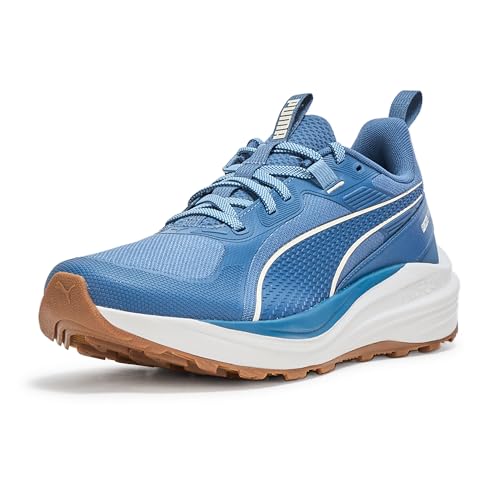
5. PUMA Men’s Flare PRO Trail Running Shoes Sneaker
Rating: 9.1/10
Hit the trails with confidence in the PUMA Men’s Flare PRO Trail Running Shoes. These sneakers, in a cool Dark Indigo, Cool Blue, and Alpine Snow colorway, are built for adventure. They offer great grip and comfort for your off-road runs.
What We Like:
- The ProTread rubber sole gives you amazing traction. It sticks to the ground, even on tricky paths, and it’s really tough.
- PUMA’s Profoam cushioning makes every step feel soft. It’s light and bouncy, so your feet stay happy mile after mile.
- The shoe looks sharp with its cool upper design and unique lacing.
- You’ll spot the PUMA logo proudly on the heel and tongue, showing off the brand.
- PUMA is committed to a better future. The upper uses at least 30% recycled material, so you can feel good about your purchase.
What Could Be Improved:
- While the lacing detail is interesting, some runners might prefer a more traditional system for quicker adjustments on the go.
- The “interest lacing detail” might not provide the most secure lockdown for runners who need an extremely snug fit.
The PUMA Flare PRO Trail Running Shoes are a solid choice for any trail runner. They blend performance and style, making them a great partner for your next outdoor escape.
Conquer the Cold: Your Guide to Running Shoes for Snow
Running in the snow can be exhilarating. A crisp winter wonderland makes for a beautiful and invigorating experience. But to do it safely and comfortably, you need the right gear. That’s where special running shoes for snow come in. These aren’t just regular sneakers. They have features designed to grip icy paths and keep your feet warm and dry. This guide will help you pick the perfect pair.
Key Features to Look For
When you’re shopping for running shoes for snow, keep these important features in mind.
- Traction and Grip: This is the most crucial feature. Look for deep, aggressive treads on the outsole. These lugs (the bumps on the bottom) dig into snow and ice. Some shoes even have built-in metal spikes or the option to add them for extra grip on very slippery surfaces.
- Water Resistance and Waterproofing: Snow can melt. Your feet will get wet if your shoes aren’t protected. Look for shoes with water-resistant or waterproof materials. This keeps melting snow and slush from soaking your socks.
- Insulation: Cold feet can make a run miserable. Many snow running shoes have some level of insulation. This traps body heat and keeps your feet warmer in low temperatures.
- Ankle Support: Sometimes, snow can hide uneven ground or ice patches. Shoes with a higher cut or good ankle support can help prevent twists and sprains.
- Reflective Elements: Winter days are shorter. You might be running in low light. Shoes with reflective details help drivers and others see you.
Important Materials
The materials used in snow running shoes make a big difference.
- Outsole: The rubber on the bottom is key. Look for durable, sticky rubber compounds that stay flexible even in the cold. Some brands use special rubber with added silica for better grip on ice.
- Upper: The part that covers your foot often uses synthetic materials. These are chosen for their durability and ability to resist water. Many uppers have a waterproof membrane, like Gore-Tex, to keep water out while letting sweat escape.
- Midsole: This layer provides cushioning. EVA (ethylene-vinyl acetate) is a common material. It offers good shock absorption and is lightweight.
- Lining: For warmth, you’ll find fleece or other insulating fabrics inside the shoe.
Factors That Improve or Reduce Quality
Not all snow running shoes are created equal. Here’s what makes them good or not so good.
- Good Quality: Shoes with strong, well-constructed seams resist wear and tear. A good waterproof membrane that actually works is a sign of quality. Excellent traction from the outsole means you’ll feel more secure on slippery surfaces. Comfortable insulation that doesn’t make your feet overheat is also a plus.
- Lower Quality: Poorly glued or stitched parts can come apart quickly. A waterproof material that leaks after a few uses is disappointing. Treads that wear down fast or don’t provide enough grip reduce the shoe’s effectiveness. If the insulation is too bulky or doesn’t breathe, your feet can become sweaty and then cold.
User Experience and Use Cases
How do these shoes perform in the real world?
- For Trail Runners: If you love hitting the trails, even in winter, these shoes are a game-changer. They provide the grip needed for snowy and icy trails, allowing you to maintain your training schedule. You can tackle packed snow, slush, and even light ice with confidence.
- For Road Runners: Even if you stick to paved paths, snow and ice can make roads treacherous. Snow running shoes offer much better traction than regular road shoes. This helps prevent slips and falls, especially on treated roads that can become slick.
- Everyday Winter Wear: Some people find these shoes comfortable and practical for walking around in snowy or icy conditions. Their warmth and grip make them a good choice for errands or just enjoying a winter walk.
- Performance: Users report feeling more stable and secure when wearing these shoes. The warmth and dryness contribute to a more enjoyable and less fatiguing run. The ability to continue running through winter means you don’t lose fitness.
Frequently Asked Questions About Running Shoes for Snow
Q: What makes running shoes different from regular winter boots?
A: Running shoes for snow are designed for movement. They are lighter and more flexible than winter boots. They focus on grip for running and breathability to manage sweat. Winter boots are usually heavier and built for walking and deep snow.
Q: Can I use my regular running shoes in the snow?
A: It’s not recommended. Regular running shoes lack the deep treads needed for grip. Their materials often don’t offer water resistance, leading to wet and cold feet. You could slip and get hurt.
Q: How much waterproofing do I need?
A: For most winter running, water-resistant is good. If you expect to run through deep slush or very wet snow, fully waterproof shoes are better. Remember that even waterproof shoes can get wet if submerged.
Q: Do I need special socks with these shoes?
A: Yes, it’s a good idea. Wool or synthetic thermal socks are best. They help keep your feet warm and manage moisture. Avoid cotton socks, as they hold moisture and make your feet cold.
Q: How do I clean my snow running shoes?
A: Let them air dry away from direct heat. Brush off loose dirt and snow. You can use a damp cloth to wipe them clean. For stubborn dirt, a mild soap and water solution can be used. Never put them in a washing machine or dryer.
Q: Will my feet get too hot in insulated shoes?
A: Good snow running shoes balance insulation with breathability. The goal is to keep your feet warm, not to make them sweat excessively. If you run in milder winter conditions, you might prefer shoes with less insulation.
Q: Can I add spikes to any running shoe?
A: You can buy clip-on traction devices that fit over your shoes. Some running shoes are designed to accept screw-in or permanent spikes. Check the shoe’s specifications to see if it’s compatible.
Q: How important is the fit of snow running shoes?
A: Fit is always important for running shoes. For snow shoes, ensure there’s a little room for thicker socks. Your toes should not feel cramped. A good fit prevents blisters and ensures comfort.
Q: How long do snow running shoes typically last?
A: Like all running shoes, their lifespan depends on how much you use them and the terrain. With good care, you can expect them to last for several seasons of winter running. The outsole’s grip will eventually wear down.
Q: Where can I buy running shoes for snow?
A: You can find them at specialty running stores, outdoor gear shops, and online retailers. Look for brands known for their trail running or winter sports equipment.
In conclusion, every product has unique features and benefits. We hope this review helps you decide if it meets your needs. An informed choice ensures the best experience.
If you have any questions or feedback, please share them in the comments. Your input helps everyone. Thank you for reading.