
Do you love to run but find your feet and joints ache after every stride? For many larger runners, finding the perfect pair of shoes feels like a treasure hunt with no map. It’s not just about style; it’s about finding footwear that can handle the extra impact and support your body needs. The wrong shoes can lead to discomfort, pain, and even injuries, making you dread your next run.
That’s why we’re diving deep into the world of running shoes specifically designed for larger runners. We understand the unique challenges you face, from needing extra cushioning to requiring robust support. In this post, you’ll discover the key features to look for, what makes a shoe ideal for your needs, and we’ll even suggest some top contenders that can make a real difference to your running experience.
Get ready to say goodbye to foot fatigue and hello to happy miles. Let’s explore how the right shoes can transform your runs from a challenge into a joy.
Our Top 5 Running Shoes For Large Runners Recommendations at a Glance
Top 5 Running Shoes For Large Runners Detailed Reviews
1. New Balance Men’s 410 V8 Trail Running Shoe

Rating: 9.4/10
Hit the trails with confidence in the New Balance Men’s 410 V8 Trail Running Shoe. These shoes are built for adventure, blending rugged performance with everyday comfort. The stylish Black/Cayenne/Shadow Grey colorway looks great on and off the path. This size 12 shoe is ready to take on whatever you throw at it.
What We Like:
- The AT Tread outsole grips well on all kinds of ground, from dusty paths to rocky trails.
- The synthetic upper is tough and breathable, keeping your feet comfortable.
- The soft BIO Foam midsole cushions every step, making long runs feel easier.
- Durable overlays and mesh add strength, so these shoes last a long time.
- The lace-up closure gives you a snug and secure fit.
What Could Be Improved:
- Some users might prefer more intense arch support for very long distances.
- The color combination, while stylish, might not suit everyone’s taste.
The New Balance 410 V8 is a solid choice for anyone who loves to explore. They offer a great balance of grip, comfort, and durability for your trail running needs.
2. Under Armour Mens Charged Assert 9 Running Shoe

Rating: 9.2/10
The Under Armour Mens Charged Assert 9 Running Shoe in Black/White-001, size 9 US, is built for runners who want a mix of comfort and support. This shoe helps you perform your best whether you’re hitting the pavement or the treadmill.
What We Like:
- The lightweight mesh upper lets your feet breathe easily.
- Leather overlays keep your foot stable and secure.
- The EVA sockliner feels soft and comfortable from the first step.
- Charged Cushioning in the midsole gives you a responsive and lasting feel.
- The solid rubber outsole adds durability where you need it most.
- It offers a good balance of flexibility and cushioning for neutral runners.
What Could Be Improved:
- The 10mm offset might not be ideal for all running styles.
- Some runners may prefer a more snug fit than standard tie laces offer.
Overall, the Charged Assert 9 is a solid choice for everyday runs. It provides the comfort and support many runners look for.
3. ASICS Men’s Gel-Venture 10 Running Shoes

Rating: 8.9/10
The ASICS Men’s Gel-Venture 10 Running Shoes in White SAGE/Black, size 9.5, are built for adventure. These shoes help you tackle different terrains with confidence. They offer comfort and support for your runs.
What We Like:
- The mesh upper lets your feet breathe. This keeps them cool and dry.
- ASICS uses a special dyeing process for the sockliner. This saves water and lowers pollution.
- Rearfoot GEL technology absorbs shock. It makes your steps feel softer.
- AMPLIFOAM cushioning adds more comfort. Your feet feel great, even on long runs.
- The special outsole pattern gives you good grip. You can run on different surfaces without slipping.
What Could Be Improved:
- The White SAGE color might show dirt easily.
- While good for trails, they might not be the best choice for very muddy or rocky conditions.
These Gel-Venture 10 shoes are a solid choice for runners who want comfort and grip on various surfaces. They offer good value for their features.
4. PUMA Men’s VIZ RUNNER WIDE Sneaker
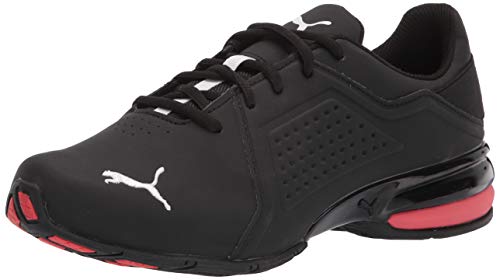
Rating: 8.7/10
The PUMA Men’s VIZ RUNNER WIDE Sneaker in Puma Black-Puma White, size 10.5, offers a cool look and comfortable feel for your daily adventures. These shoes blend street style with features that support your feet.
What We Like:
- The sneakers have a slick, street-chic style. Fierce fabrics and bold PUMA branding make them stand out.
- They feature a low boot silhouette with PUMA’s iconic logo on the tongue, side, and heel.
- The EVA heel pod provides great cushioning to absorb shock. This makes walking and running feel smoother.
- A TPU shank offers good support and helps control your foot’s movement.
- The lace closure ensures a snug and secure fit for all-day comfort.
- The wide fit is a big plus for those who need more room in their shoes.
What Could Be Improved:
- While stylish, the bold branding might not appeal to everyone.
- The focus on street style means they might not be the best choice for serious athletic training.
Overall, the PUMA Viz Runner Wide Sneaker is a solid choice for anyone seeking both style and comfort in their everyday footwear. They deliver a good mix of urban edge and practical support.
5. Brooks Women’s Ghost 16 Neutral Running Shoe – White/Grey/Estate Blue – 7.5 Medium

Rating: 8.7/10
The Brooks Women’s Ghost 16 Neutral Running Shoe in White/Grey/Estate Blue, size 7.5 Medium, promises a run so smooth, you’ll forget you’re even wearing shoes. Brooks designed these for runners who want comfort without any distractions. This shoe is also special because it’s certified as a diabetic shoe and has the APMA Seal of Acceptance, meaning it’s good for your feet. Plus, it’s a carbon-neutral product, which is great for the planet!
What We Like:
- Super soft cushioning with nitrogen-infused DNA Loft v3 makes every step feel light and comfy.
- The shoe’s design helps you move easily from landing to pushing off, making your stride feel natural and smooth.
- The engineered air mesh upper breathes well, keeping your feet cool and comfortable.
- The new RoadTack rubber outsole is tough, light, and gives a good rebound, perfect for all sorts of activities.
- It’s a certified diabetic shoe and has the APMA Seal of Acceptance, showing it’s great for foot health.
- The shoe is carbon neutral, which is a win for the environment.
- The 3D Fit Print creates a snugger, more secure feel.
What Could Be Improved:
- While the cushioning is soft, some runners might prefer a firmer feel for maximum responsiveness.
- The “Estate Blue” color might not be for everyone, although other color options are usually available.
Overall, the Brooks Ghost 16 offers a fantastic blend of comfort, smoothness, and thoughtful design. It’s a solid choice for anyone seeking a reliable and pleasant running experience.
Running Shoes for Bigger Bodies: Your Essential Buying Guide
Running is a fantastic way to stay healthy, no matter your size. But if you’re a larger runner, you need shoes that offer extra support and cushioning. Finding the right pair can make a big difference in comfort and help prevent injuries. This guide will help you choose the best running shoes for your needs.
Key Features to Look For
When you’re looking for running shoes, some features are super important for bigger runners.
- Cushioning: This is probably the most important thing. More cushioning absorbs more impact when your foot hits the ground. This protects your joints, like your knees and ankles. Look for shoes with thick midsoles. These midsoles are the spongy part between the upper (the top of the shoe) and the outsole (the bottom that touches the ground).
- Support: Larger runners often need more support to keep their feet stable. This is especially true if your feet tend to roll inward (overpronation) or outward (supination). Shoes with good arch support and a firm heel counter (the part that cups your heel) help with this.
- Durability: You want shoes that will last. Look for shoes made with strong materials that can handle more weight and miles. The outsole should be made of tough rubber.
- Fit: A good fit is crucial for everyone, but especially for larger runners. Your shoes should not be too tight or too loose. There should be about a thumb’s width of space between your longest toe and the front of the shoe.
Important Materials
The materials used in running shoes play a big role in how they perform.
- Midsoles: Many shoes use foam like EVA (ethylene vinyl acetate) or PU (polyurethane) for cushioning. PU foam is generally denser and more durable, offering better support for heavier runners. Some shoes mix different types of foam to get the best of both worlds – softness and support.
- Outsoles: These are usually made of carbon rubber or blown rubber. Carbon rubber is very durable, which is great for high-mileage runners. Blown rubber is lighter and offers more cushioning.
- Uppers: The top part of the shoe is often made of mesh. Look for breathable mesh that keeps your feet cool and dry. Some uppers have reinforcements to add structure and support.
Factors That Improve or Reduce Quality
Certain things make a running shoe better or worse for larger runners.
- Improved Quality:
- Wider Toe Box: This gives your toes room to spread out, improving comfort and balance.
- Sturdy Heel Counter: A well-built heel counter locks your heel in place, preventing slippage and adding stability.
- Responsive Cushioning: This means the cushioning bounces back well, giving you energy with each step.
- Reduced Quality:
- Minimal Cushioning: Shoes with very little padding will not protect your joints enough.
- Flexible Midsoles: While flexibility is good for some runners, too much can mean less support for heavier individuals.
- Poorly Constructed Uppers: Uppers that stretch out easily or lack support can lead to blisters and instability.
User Experience and Use Cases
The best running shoes for large runners make running feel easier and more enjoyable. You’ll notice less fatigue and fewer aches after your runs.
- Everyday Running: For regular jogs on roads or treadmills, you’ll want a shoe with plenty of cushioning and support.
- Longer Distances: If you plan to run longer distances, durability and excellent shock absorption become even more critical.
- Trail Running: For off-road adventures, look for shoes with good grip and protection from rocks and roots. While cushioning is still important, durability and traction are key.
Choosing the right running shoes is an investment in your health and enjoyment of running. Take your time, try on different pairs, and don’t be afraid to ask for help from store staff. Happy running!
Frequently Asked Questions for Larger Runners
Q: Do larger runners really need different shoes?
A: Yes, larger runners often need shoes with more cushioning and support. This helps absorb more impact and keeps your feet stable, reducing the risk of injury.
Q: What does “pronation” mean?
A: Pronation is how your foot rolls inward when you run. Overpronation means it rolls too much inward, and supination means it rolls outward too much. Some shoes are designed to help control pronation.
Q: How much cushioning is enough?
A: There’s no exact number, but look for shoes with thick midsoles. If you can easily bend the shoe in half with your hands, it might not be supportive enough.
Q: Can I wear any running shoe?
A: While you can wear any running shoe, some are designed specifically to handle more weight and provide better protection for larger runners. These will likely feel more comfortable and supportive.
Q: Should I buy shoes that are a size bigger?
A: You don’t necessarily need to buy a size bigger, but you should make sure there’s enough room for your toes. A thumb’s width of space is a good rule of thumb.
Q: How often should I replace my running shoes?
A: Most running shoes last between 300-500 miles. If you notice the cushioning feels flat or you start having new aches and pains, it’s time for a new pair.
Q: Are wide-width shoes important?
A: Yes, if your feet are wider than average, wide-width shoes can significantly improve comfort and prevent blisters. Many brands offer shoes in different widths.
Q: What’s the difference between neutral and stability shoes?
A: Neutral shoes are for runners with a neutral foot strike. Stability shoes have features to help control overpronation, which is common in larger runners.
Q: Can I use the same shoes for road and trail running?
A: It’s best to have separate shoes. Trail shoes have better grip and protection for uneven surfaces, while road shoes are designed for pavement.
Q: Where is the best place to buy running shoes?
A: Specialty running stores are great because they have knowledgeable staff who can analyze your gait and recommend the best shoes for your foot type and running style.
In conclusion, every product has unique features and benefits. We hope this review helps you decide if it meets your needs. An informed choice ensures the best experience.
If you have any questions or feedback, please share them in the comments. Your input helps everyone. Thank you for reading.