
Imagine this: You’re out exploring, maybe hiking a beautiful trail or camping under the stars. Suddenly, your water supply is running low. What do you do? This is where a portable water filter becomes your best friend.
Choosing the right portable water filter for survival can feel overwhelming. There are so many types, each promising to be the best. You want something reliable, something that will keep you safe and healthy in any situation. But with all the jargon and different features, it’s tough to know which one to trust.
This post will cut through the confusion. We’ll explore what makes a good portable water filter and highlight the key things you need to consider. By the end, you’ll have a clear idea of what to look for, so you can be prepared for any adventure or unexpected event.
Our Top 5 Portable Water Filter For Survival Recommendations at a Glance
Top 5 Portable Water Filter For Survival Detailed Reviews
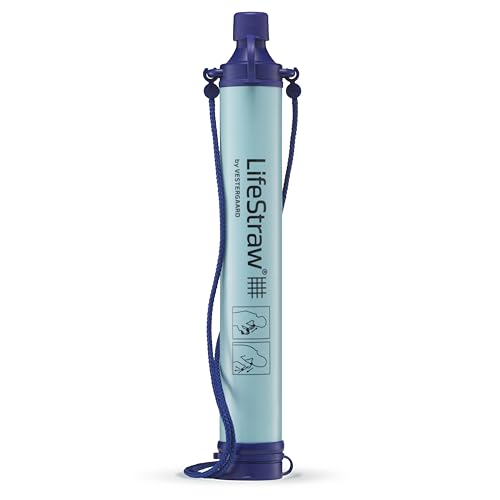
1. LifeStraw Personal Water Purifier for Hiking
Rating: 9.3/10
This LifeStraw Personal Water Purifier is a game-changer for anyone who loves the outdoors or wants to be ready for anything. It’s a simple, portable device that makes unsafe water safe to drink. Whether you’re hiking a mountain trail, camping in the wilderness, traveling to new places, or preparing for emergencies, this purifier is a must-have item.
What We Like:
- It removes 99.999999% of bacteria and 99.999% of parasites from water. This means it gets rid of harmful germs like E. coli and Giardia.
- It also takes out microplastics, down to 1 micron, which is great for cleaner water.
- The LifeStraw is tested rigorously to make sure it works as advertised.
- It has a long life, purifying up to 4,000 liters of water. That’s a lot of clean water!
- For every LifeStraw purchased, a child in need gets clean water for a school year.
- It’s made with BPA-free materials, so it’s safe to use.
What Could Be Improved:
- It doesn’t filter out viruses.
- You can’t filter very large amounts of water at once, and it doesn’t store water.
- It requires you to suck the water through, which might not be ideal for everyone.
The LifeStraw Personal Water Purifier is a reliable tool for safe drinking water in many situations. It offers peace of mind and makes a positive impact on the world.
2. Survivor Filter PRO – Hand Pump Camping Water Filtration System Survival – Water Purifier Survival

Rating: 9.0/10
The Survivor Filter PRO is your ultimate companion for clean drinking water wherever your adventures take you. This hand-pump water filtration system is designed for survival, hiking, camping, and backpacking, ensuring you always have access to safe water. It’s incredibly compact and light, making it a breeze to pack and carry.
What We Like:
- Compact and Easy To Use: Weighing only 12.8oz, it’s super light and won’t weigh down your pack.
- Pack-and-Go Convenience: No charging needed! Just pump and drink. It comes with everything you need: a cup, bag, filters, tubes, and instructions.
- Super Fast Flow Rate: Get 500ml (17oz) of clean water per minute. You can drink directly from lakes or rivers on the move.
- Effective Filtration: This BPA-free filter removes 99.999% of viruses, bacteria, and protozoa. It also reduces heavy metals, meeting NSF/ANSI standards.
- Lifetime Warranty: As a North American company, they back their product with a lifetime warranty against manufacturing defects. They believe in treating customers for life.
What Could Be Improved:
- While the flow rate is fast, some users might find the pumping action requires a bit of effort over extended periods.
- The included bag is functional but could be more robust for heavy-duty use.
The Survivor Filter PRO is a reliable and efficient water purification solution for any outdoor enthusiast. Its ease of use, fast flow, and strong warranty make it a worthwhile investment for staying hydrated safely.
3. BKLES 3-in-1 Solar Electric Water Filter with Hand Pump – Camping Water Filtration System Survival

Rating: 8.6/10
Never worry about finding clean drinking water on your adventures again! The BKLES 3-in-1 Solar Electric Water Filter is your ultimate companion for camping, hiking, and any outdoor survival situation. This portable purifier offers multiple ways to get safe drinking water, making it a must-have for any outdoor enthusiast.
What We Like:
- It’s a 3-in-1 system: electric pump, hand pump, and solar charging.
- It uses a 6-stage filtration system with dual ultrafiltration membranes for excellent water quality.
- It’s super easy to use with just the press of a button.
- The hand pump backup ensures you always have clean water, even without power.
- It’s lightweight, weighing only 450 grams, and comes with a handy storage case.
- You can charge it using solar power or Type-C, offering great flexibility.
- It doubles as an emergency kit with LED lighting, SOS signals, and mobile device charging.
- It makes a fantastic gift for anyone who loves the outdoors.
What Could Be Improved:
- Filter replacements are needed every 180 days or after filtering 1,000 liters, which is an ongoing cost.
- The solar charging might be slow depending on sunlight conditions.
This all-in-one water filter provides peace of mind and essential functionality for any outdoor journey. Be prepared for anything with the BKLES 3-in-1 Solar Electric Water Filter.
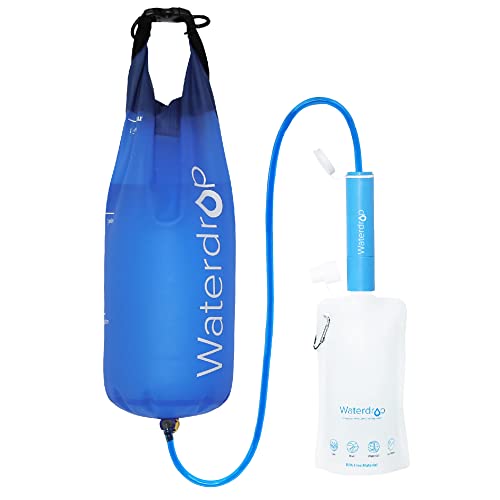
4. Waterdrop Gravity Water Filter Straw
Rating: 9.3/10
The Waterdrop Gravity Water Filter Straw is your go-to solution for clean drinking water wherever you roam. This comprehensive system, featuring a 1.5-gallon gravity bag and a powerful 0.1-micron, 5-stage filtration straw, is designed for adventurers and emergency planners alike. It’s built to handle the challenges of outdoor life and unexpected situations, ensuring you always have safe, great-tasting water.
What We Like:
- The 5-stage filtration effectively removes chlorine, sediment, and bad tastes, giving you pure water.
- It comes with a large 1.5-gallon water bag, perfect for meeting all-day hydration needs for outdoor trips.
- The filter straw has an impressive lifespan, capable of purifying up to 1,400 gallons of water.
- Its innovative backwash feature keeps the straw clean and extends its usability, making it recyclable and eco-friendly.
- The versatile design allows it to connect with both water bags and standard water bottles for flexible use.
- It’s ideal for a wide range of activities, from hiking and camping to international travel and emergency preparedness.
What Could Be Improved:
- Remember to empty the air from the gravity bag’s hose before connecting the straw to ensure proper water flow.
This Waterdrop Gravity Water Filter Straw system offers reliable and convenient access to clean water for all your adventures and preparedness needs. It’s a smart investment for anyone who values safe hydration in the great outdoors or during emergencies.
5. Lormandy Straw Water Filter – Portable Water Purifier

Rating: 8.9/10
The Lormandy Straw Water Filter is your ultimate companion for safe drinking water, no matter where your adventures take you. This portable purifier is designed for outdoor enthusiasts, travelers, and anyone who needs reliable access to clean water in emergencies. It’s built tough and easy to use, making it a must-have piece of survival gear.
What We Like:
- Made with food-grade ABS material and medical-grade filters, ensuring safety.
- Triple filtration system removes sediments and 99.99999% of harmful substances, improving taste and odor.
- Super lightweight, weighing less than 1.8 ounces, making it easy to carry anywhere.
- Filters a huge 1,320 gallons of water, and you can simply backflush it to keep it working.
- Versatile design lets you connect it to water bags, bottles, or drink directly from the source.
- Comes as a complete kit with adapters for bottles and even faucets, plus a reusable water pouch.
- Easy to operate, perfect for teaching important survival skills.
What Could Be Improved:
- The flow rate, while good at 800ml/min, could be slightly faster for quicker hydration in demanding situations.
- While it filters a large amount of water, the internal composite filters will eventually need replacement, which is an ongoing cost to consider.
The Lormandy Straw Water Filter offers excellent peace of mind and practicality for any outdoor excursion or emergency. It’s a smart investment for anyone who values safe hydration.
Your Lifeline in the Wild: Choosing a Portable Water Filter for Survival
When disaster strikes or you’re exploring the great outdoors, having clean drinking water is super important. A portable water filter can be your best friend. It helps you turn murky, questionable water into something safe to drink. Let’s dive into what makes a good survival water filter.
Key Features to Look For
1. Filtration Level
This is the most important thing. Look for filters that remove bacteria, protozoa (like Giardia and Cryptosporidium), and even viruses. Some filters also remove sediment and chemicals. A filter with a pore size of 0.1 microns or smaller is generally good for removing bacteria and protozoa. For virus removal, you’ll need even smaller pores (0.02 microns) or a filter that uses chemical treatment as well.
2. Flow Rate
How fast does the water come out? A good flow rate means you won’t be waiting forever to get a drink. Some filters can be slow, especially if the water is dirty.
3. Durability and Build Quality
This filter needs to last. It should be made from tough materials that can handle being dropped or bumped around. Think about how it feels in your hands. Does it seem like it could break easily?
4. Ease of Use
In a survival situation, you need things to be simple. Can you easily assemble it? Is it easy to clean? Does it require a lot of effort to pump or suck water through?
5. Filter Lifespan
How much water can the filter clean before it needs replacing? This is usually measured in gallons or liters. A longer lifespan means you won’t have to buy replacements as often.
6. Portability and Weight
Since it’s a *portable* filter, it should be light and easy to carry. Many filters are small enough to fit in your pocket or a small backpack pouch.
Important Materials
1. Filter Media
Most portable filters use hollow fiber membranes. These are tiny tubes with microscopic pores. Other filters use activated carbon, which helps remove chemicals and improve taste. Some advanced filters might use ceramic or even UV light.
2. Housing and Body
Look for filters made from sturdy plastics like ABS or BPA-free materials. Metal components, like in some pump filters, can also be durable.
Factors That Improve or Reduce Quality
Improving Quality
- Smaller Pore Size: Filters with smaller pores (0.1 microns or less) remove more harmful tiny things.
- Multiple Stages: Some filters have several layers of filtration, like a pre-filter for big bits and then a finer filter for smaller contaminants.
- Activated Carbon: This helps get rid of bad tastes and smells.
- Tested and Certified: Look for filters that have been tested by independent labs to meet certain standards.
Reducing Quality
- Larger Pore Size: If the pores are too big, tiny bacteria can still get through.
- Poor Seals: If water can leak around the filter, it’s not working right.
- Fragile Materials: If the plastic cracks or breaks easily, it’s not a good survival tool.
- Difficult to Clean: A filter that’s hard to clean can get clogged and stop working.
User Experience and Use Cases
1. Ease of Use in the Field
How does it work when you’re actually out there? Some filters are straw-like, where you drink directly from the source. Others are pumps, where you work a handle to push water through. Squeeze filters are also popular, where you fill a pouch and squeeze water through the filter. Think about what would be easiest for you in a tough spot.
2. Cleaning and Maintenance
Keeping your filter working is key. Most need to be backwashed (rinsed with clean water) to keep them from getting clogged. Some have replaceable parts. Simple maintenance means a longer-lasting filter.
3. Common Use Cases
- Hiking and Camping: Get safe drinking water from streams and lakes.
- Emergency Preparedness (Bug-Out Bags): Essential for having clean water if your tap water is contaminated.
- International Travel: Drink tap water safely in countries where water quality is uncertain.
- Natural Disasters: When municipal water systems fail, these filters are crucial.
Frequently Asked Questions (FAQ)
Q: What is the most important thing to look for in a survival water filter?
A: The most important thing is the level of filtration – what harmful things it can remove from the water.
Q: Can a portable water filter remove viruses?
A: Some advanced filters can remove viruses, but many standard filters mainly focus on bacteria and protozoa. You might need a filter with smaller pores or one that uses chemical treatment for virus removal.
Q: How long do portable water filters last?
A: Filter lifespan varies greatly. Some can filter hundreds of gallons, while others are designed for fewer uses. Always check the product’s specifications.
Q: Are all portable water filters easy to use?
A: No, ease of use can differ. Some are as simple as drinking through a straw, while others require pumping or squeezing.
Q: What does “pore size” mean for a water filter?
A: Pore size refers to the tiny holes in the filter material. Smaller pores can block smaller contaminants like bacteria.
Q: How do I clean a portable water filter?
A: Most filters can be cleaned by backwashing, which means rinsing them with clean water. Always follow the manufacturer’s instructions.
Q: Can I use a portable water filter with very muddy water?
A: While some filters have pre-filters for larger debris, very muddy water can clog them quickly. It’s best to let the water settle or pre-filter it through a cloth if possible.
Q: Do portable water filters improve the taste of water?
A: Some filters, especially those with activated carbon, can improve the taste and smell of water by removing chemicals and impurities.
Q: What is the difference between a filter and a purifier?
A: A filter removes physical particles and larger microorganisms. A purifier can kill or remove even smaller contaminants like viruses and bacteria.
Q: Where can I buy a good portable water filter?
A: You can find them at outdoor gear stores, online retailers like Amazon, and specialty survival supply websites.
In conclusion, every product has unique features and benefits. We hope this review helps you decide if it meets your needs. An informed choice ensures the best experience.
If you have any questions or feedback, please share them in the comments. Your input helps everyone. Thank you for reading.