
Imagine this: you’ve got miles to cover, and your feet are screaming. Walking on hard concrete all day can feel like a punishment for your soles. It’s tough on your feet, your knees, and your back. That’s why picking the right boots for concrete is so important, but it’s also really tricky!
There are so many types of boots out there, and it’s easy to get confused. Do you need extra cushioning? What about support? And how do you know which ones will actually last? Without the right information, you might end up with boots that make your job harder, not easier.
But don’t worry! In this post, we’re going to break it all down. We’ll look at what makes a boot great for walking on concrete. By the end, you’ll know exactly what to look for to find boots that feel like clouds, even after a long day. Get ready to step into comfort!
Our Top 5 Boot For Walking On Concrete Recommendations at a Glance
Top 5 Boot For Walking On Concrete Detailed Reviews
1. TREDS Rubber Concrete Boot

Rating: 9.3/10
When you work with concrete, mud, or snow, your regular boots take a beating. That’s where the TREDS Rubber Concrete Boot comes in. This black, 17-inch high overboot is designed to protect your footwear and keep you safe on tough job sites. It’s a pull-on style, meaning you just slide them over your existing work boots. TREDS are incredibly popular for concrete work because they’re built tough and easy to use.
What We Like:
- These are the top choice for concrete jobs because they are super tough and stretchy.
- The reinforced heel and special sole pattern give you extra grip on slippery surfaces.
- They are easy to put on and take off thanks to their stretchy material and one-piece design – no left or right boot to worry about!
- The rubber is very strong. It’s almost impossible to poke a hole in it, and if it does get a tear, it won’t get bigger.
- These boots are made right here in the USA, supporting an American business that focuses on quality.
What Could Be Improved:
- While the stretchy material is great for fitting, some users might find it a bit snug if their regular boots are very bulky.
- As with any specialized work gear, the price point might be a consideration for some individuals or smaller businesses.
The TREDS Rubber Concrete Boot offers serious protection and durability for demanding jobs. They are a reliable option to keep your feet and boots safe from harsh conditions.
2. 2 pcs Air Cam Walking Boot Covers

Rating: 8.7/10
Protect your walking boot and keep your foot dry and clean with these Air Cam Walking Boot Covers. They are designed for comfort and protection during your recovery. These covers are waterproof, anti-slip, and washable, making them ideal for various outdoor and indoor activities.
What We Like:
- These covers keep your walking boot clean and dry, especially when you’re outside in the rain or on muddy ground.
- The silicone grips on the bottom provide excellent non-slip traction, making it safer to walk indoors or in places like hospitals.
- They fit a wide range of walking boots, including Aircast walker braces and most orthopedic or fracture boots.
- The waterproof material and high elasticity make them easy to put on and take off, offering complete protection for your recovery shoes.
- You can toss them in the washing machine, so they’re reusable and easy to care for.
What Could Be Improved:
- While they come in three sizes, it’s important to double-check the size of your specific boot to ensure a perfect fit.
These boot covers are a practical solution for anyone recovering from a foot or ankle injury. They offer reliable protection and make daily activities much easier.
3. kefit Walking Boot Fracture Boot for Broken Foot
Rating: 8.6/10
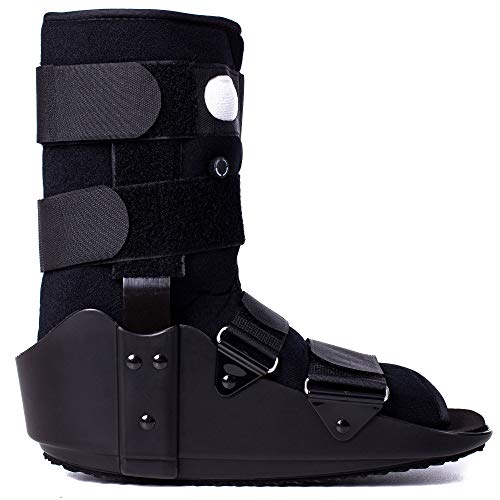
When you’re dealing with a broken foot or a badly sprained ankle, you need serious support. The kefit Walking Boot Fracture Boot for Broken Foot, Sprained Ankle-Medium offers exactly that. It’s designed to help you heal and get back on your feet.
What We Like:
- The built-in inflatable bag is a game-changer. It helps keep your injured ankle in the right spot, which is great for healing. It also makes the boot more stable and helps reduce swelling.
- This boot fits well. The medium size is made for men’s shoe sizes 6-9 and women’s 7-10.
- Strong support comes from the aluminum brackets on both sides. They hug your leg and ankle to keep everything still.
- The inflatable compression is super comfortable. It helps with swelling and adjusts as your ankle heals.
- You can walk more normally thanks to the rocker bottom. It makes your steps smoother and helps you move better during recovery.
- This boot is perfect for many injuries, like stress fractures, bad sprains, broken bones, and even Achilles tendon tears.
What Could Be Improved:
- While the aluminum brackets offer great support, they might make the boot feel a bit stiff for some users.
- The boot is designed for specific injuries, so it might not be the best choice for very minor sprains.
The kefit Walking Boot offers robust support and features to aid your recovery. It’s a solid choice for anyone needing to immobilize and protect their foot or ankle during healing.
4. Aircast AirSelect Standard Walker Brace / Walking Boot

Rating: 8.6/10
The Aircast AirSelect Standard Walker Brace/Walking Boot in Large offers excellent support and comfort for your injured leg. It’s designed to help you heal and get back on your feet faster.
What We Like:
- It has a strong shell that protects your limb.
- The boot absorbs shock, making walking more comfortable.
- It helps reduce swelling quickly with air cells.
- The design is open and lets air flow, keeping your leg cool.
- The bottom has a special tread for good grip and lasts a long time.
- It encourages a more natural way of walking.
What Could Be Improved:
- The large size might be a bit bulky for some people.
- While effective, the air pump can be a little noisy when you inflate it.
This walker boot is a solid choice for anyone needing reliable support during recovery. It balances protection with features that help you move more naturally.
5. Jewlri Air Walking Boot
Rating: 9.3/10
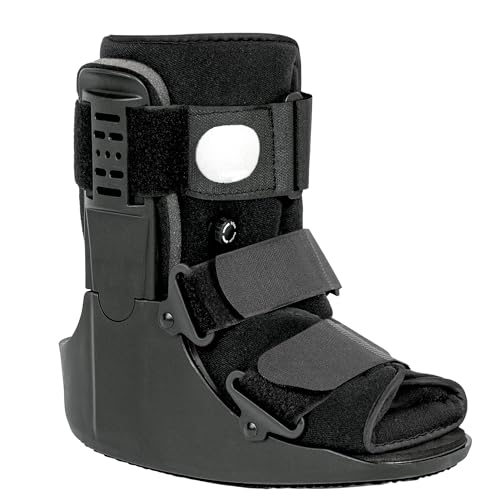
Recovering from an injury or surgery can be tough, but the Jewlri Air Walking Boot is here to help make the process more comfortable and effective. This versatile boot provides excellent support for your foot and ankle, whether you’ve experienced a sprain, fracture, or need post-operative care. It’s designed to fit either your left or right foot, making it a practical choice for many. The boot aims to protect your injured area, reduce pain, and help you get back on your feet with confidence.
What We Like:
- Provides strong protection with a rigid plastic shell to keep injured parts stable.
- Features adjustable hook and loop fasteners for a snug, customized fit.
- Includes inflatable compartments for extra support and comfortable compression.
- The rocker sole design helps you walk more naturally.
- Comes with a soft, shock-absorbing insole that can be removed for washing.
- The liner is removable and washable for hygiene.
What Could Be Improved:
- It’s important to carefully check the size chart and measure your foot for the best fit.
- Always consult a medical professional before ordering.
The Jewlri Air Walking Boot offers a good balance of protection and comfort for your recovery journey. Its adjustable features and supportive design make it a valuable tool for healing.
The Ultimate Buying Guide: Boots for Walking on Concrete
Walking on concrete all day can be tough on your feet. You need boots that offer good support and cushioning. This guide will help you find the best boots for your needs.
Key Features to Look For
When you’re shopping for boots to walk on concrete, a few things are super important.
1. Cushioning and Shock Absorption
- What it means: This is how well the boot can soak up the impact when your foot hits the ground. Concrete is hard, so good cushioning is a must.
- Why it matters: It protects your feet, ankles, and knees from pain and strain.
- What to look for: Boots with thick midsoles, often made of foam like EVA or polyurethane. Some boots even have special gel or air pockets for extra comfort.
2. Arch Support
- What it means: This is the curve in the boot’s sole that supports the arch of your foot.
- Why it matters: Good arch support helps keep your feet aligned properly. This can prevent problems like flat feet or plantar fasciitis.
- What to look for: Boots with a well-shaped insole that matches the natural curve of your foot. Some boots have removable insoles so you can add your own if needed.
3. Outsole Grip and Durability
- What it means: The outsole is the bottom part of the boot that touches the ground. Good grip means the boot won’t slip easily. Durability means it will last a long time.
- Why it matters: You want to avoid slipping, especially if you walk on wet surfaces. A durable outsole means you won’t have to buy new boots too often.
- What to look for: Rubber outsoles are usually the best. Look for deep treads or patterns that provide good traction.
4. Breathability and Comfort
- What it means: Breathable boots let air circulate, keeping your feet cool and dry. Comfort means the boot feels good on your foot all day.
- Why it matters: Sweaty feet can lead to blisters and discomfort. A comfortable boot makes walking easier.
- What to look for: Boots made with materials that allow air to pass through. Padded collars and tongues also add to comfort.
Important Materials
The materials used in boots play a big role in how they feel and how long they last.
- Uppers:
- Leather: Leather is strong and lasts a long time. It can also be breathable. Full-grain leather is the best quality.
- Synthetic Materials: These can be lighter and sometimes more breathable than leather. They are often a good choice for a more casual or athletic feel.
- Midsoles:
- EVA (Ethylene Vinyl Acetate): This is a common foam that is lightweight and provides good cushioning.
- Polyurethane (PU): PU is usually denser and more durable than EVA, offering good support.
- Outsoles:
- Rubber: As mentioned, rubber is great for grip and durability. Different types of rubber offer varying levels of slip resistance.
Factors That Improve or Reduce Quality
Some things make boots better, and others can make them worse.
- Good Quality:
- Stitching: Neatly done stitching shows good craftsmanship.
- Sole Attachment: The way the sole is attached to the upper matters. Cemented soles are common, but Goodyear welt construction is often considered more durable and repairable.
- Brand Reputation: Well-known brands often have a history of making quality footwear.
- Reduced Quality:
- Thin Materials: Uppers or soles that feel flimsy might not last.
- Poor Construction: Gaps in stitching or uneven glue lines can mean the boot won’t hold up.
- Lack of Cushioning: Boots with very flat, hard soles will be uncomfortable.
User Experience and Use Cases
Who needs these boots and how will they use them?
- For the Everyday Walker: If you walk to work, run errands, or enjoy long walks in your neighborhood, these boots are perfect. They make those daily miles much more comfortable.
- For the Worker: Many jobs require standing or walking on hard surfaces for hours. Think of people working in retail, warehouses, or even on construction sites (though specialized work boots are often needed for safety). These boots can reduce fatigue and foot pain.
- For Travelers: If you plan on doing a lot of walking while exploring a new city, comfortable boots are essential. They will keep your feet happy so you can enjoy your trip more.
- For People with Foot Pain: If you struggle with conditions like plantar fasciitis or general foot soreness, boots with excellent cushioning and support can make a huge difference.
Frequently Asked Questions (FAQs)
Q: What makes a boot good for walking on concrete?
A: Boots that are good for concrete have lots of cushioning, arch support, and a durable, grippy sole.
Q: Should I look for leather or synthetic uppers?
A: Leather is very durable and can be breathable. Synthetic materials can be lighter and more breathable. Both can be good choices, depending on your preference.
Q: How important is the outsole?
A: The outsole is very important. It needs to provide good grip so you don’t slip and be durable so it lasts a long time.
Q: What is EVA and why is it in boots?
A: EVA is a foam material that is lightweight and provides good cushioning. It helps absorb shock when you walk.
Q: Can boots with good arch support help my foot pain?
A: Yes, boots with good arch support can help align your feet and reduce pain from conditions like plantar fasciitis.
Q: How do I know if a boot is breathable?
A: Look for boots made with mesh panels or materials that allow air to pass through. This keeps your feet cooler.
Q: Are expensive boots always better?
A: Not always, but higher-quality materials and construction often cost more. It’s important to find a balance between price and the features you need.
Q: How often should I replace my walking boots?
A: You should replace them when the cushioning feels worn out or the tread on the sole is gone. This could be anywhere from 6 months to a year or more, depending on how much you walk.
Q: Can I wear any type of boot on concrete?
A: While you can wear any boot, boots specifically designed for walking and comfort will be much better for your feet and provide a more enjoyable experience.
Q: What if I have wide feet?
A: Look for brands that offer boots in different widths. Many brands have “wide” or “extra-wide” options available.
In conclusion, every product has unique features and benefits. We hope this review helps you decide if it meets your needs. An informed choice ensures the best experience.
If you have any questions or feedback, please share them in the comments. Your input helps everyone. Thank you for reading.