
Picture this: You’re racing through mud, splashing through puddles, and scrambling up a steep hill. Your feet are your connection to the bike, and the right shoes make all the difference. But with so many choices, picking cyclocross shoes can feel like navigating a muddy course blindfolded. Do you need stiff soles for power, or maybe some grip for those dismounts? It’s easy to get lost in the jargon and wonder what truly matters.
Choosing the perfect cyclocross shoes is about more than just looking cool. It’s about finding footwear that helps you conquer every obstacle, from slick grass to technical descents. You want shoes that offer great traction when you run, support your pedaling, and keep your feet comfortable through a long race. Getting it wrong means slipping, losing power, or even ending up with blisters – definitely not what you want when you’re aiming for the podium!
This guide will break down what makes a great cyclocross shoe. We’ll explore the key features you need to consider, like sole stiffness, tread patterns, and closure systems. By the end, you’ll know exactly what to look for to find your next pair of winning wheels for your feet. Let’s get started on finding the perfect fit for your cyclocross adventures!
Our Top 5 Cyclocross Shoes Recommendations at a Glance
Top 5 Cyclocross Shoes Detailed Reviews
1. Giro Rincon MTB Shoes – Black – Size 45

Rating: 9.3/10
The Giro Rincon MTB Shoes in Black, size 45, are designed for mountain biking. They aim to provide comfort and performance on the trail.
What We Like:
- The Synchwire upper is super light. It feels like you’re not wearing shoes at all.
- The shoe has amazing airflow. Your feet stay cool even on hot rides.
- The BOA L6 Fit System is really easy to use. You can adjust the fit quickly with a simple turn of the dial.
- It offers a very precise fit. You can make tiny adjustments for maximum comfort.
- The outsole is stiff and strong. This helps you pedal more powerfully.
- You can use different kinds of pedals with these shoes. This gives you options for your riding style.
- Reflective details make you more visible in the dark. This is great for safety.
What Could Be Improved:
- The stiffness of the outsole might be too much for some riders.
- While durable, the Synchwire material could potentially be prone to scuffs.
These shoes offer a blend of innovative features for serious mountain bikers. They are a solid choice for riders seeking a comfortable and efficient ride.
2. Fizik Unisex Terra Atlas boa-Gravel-Comfortable-Shoes

Rating: 9.1/10
The Fizik Unisex Terra Atlas Boa Gravel shoes in grey, size 9 US Men, are built for adventure. They handle all kinds of riding, from quick downhill runs to long backcountry trips and gravel paths. These shoes are designed to keep you comfortable all day, no matter where your ride takes you.
What We Like:
- Super versatile, ready for any trail or road you throw at them.
- Designed with rider feedback, meaning they are truly tested and proven.
- Comfortable for long rides with a roomier fit and good ventilation.
- The BOA dial makes it easy to get the perfect fit quickly.
- Great grip on the X5 outsole helps when you need to walk your bike on tough sections.
- They offer good pedaling power without restricting your ankle movement.
What Could Be Improved:
- While versatile, some extreme riders might prefer a more specialized shoe for specific disciplines.
- The grey color, while classic, might show dirt more easily on muddy rides.
These shoes offer a fantastic blend of comfort, performance, and versatility for any rider. You can trust them to perform on almost any adventure you can dream up.
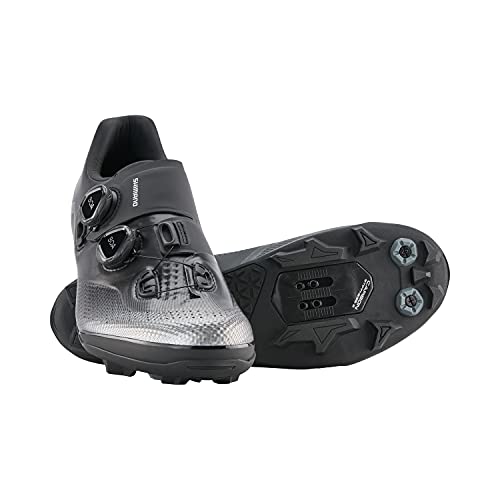
3. SHIMANO SH-XC702 Competition-Level Men’s Off-Road Racing Shoe
Rating: 9.3/10
The SHIMANO SH-XC702 Competition-Level Men’s Off-Road Racing Shoe in Black, size 8.5-9, is built for serious off-road cyclists. These shoes are designed to help you perform your best on the trail. They are comfortable and light, which means you can pedal for longer. The secure fit keeps your foot in place, so you can focus on your ride.
What We Like:
- These shoes are super comfortable.
- They feel light on your feet.
- The special sole gives you great grip when you’re walking or running.
- The snug fit helps you push harder on the pedals.
- They work with SPD pedals, making pedaling easier.
What Could Be Improved:
- The color options are limited.
- Finding them in specific sizes can sometimes be tricky.
Overall, the SHIMANO SH-XC702 shoes offer excellent performance for off-road racing. They’re a solid choice for riders looking to improve their speed and control on the trails.
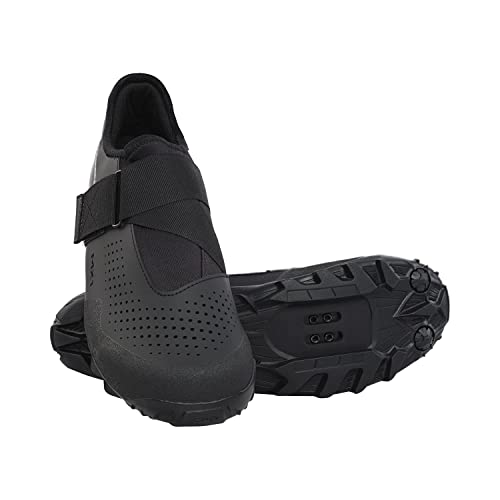
4. Shimano SH-MX100 Multi-Use Off-Road Cycling Shoe
Rating: 9.2/10
The Shimano SH-MX100 Multi-Use Off-Road Cycling Shoe in Black is a fantastic option for anyone who loves to ride off the beaten path. This shoe is designed to handle a variety of off-road adventures, from gravel trails to dirt paths. It’s built to last and offers great comfort and support.
What We Like:
- Versatile Use: This shoe works well for many different kinds of off-road biking.
- Cleat Ready: It works with most clip-in pedal systems, so you can easily connect your bike pedals.
- Tough Build: Made from strong synthetic leather and breathable mesh, these shoes will last a long time.
- Good Grip: The rubber sole gives you a steady grip, making it easy to pedal and walk.
- Easy to Secure: A single strap closure lets you quickly get a snug and comfortable fit.
What Could Be Improved:
- Sizing: The specific sizing (15 Women/13 Men, EU 47) might be hard to find for some riders.
- Strap Design: While easy, some riders might prefer more adjustment options than a single strap.
Overall, the Shimano SH-MX100 is a reliable and comfortable shoe for your off-road cycling needs. It provides the grip and support you need for a great ride.
5. Fizik Unisex Vento Ferox Carbon Mountain-Biking-Shoes

Rating: 9.4/10
The Fizik Unisex Vento Ferox Carbon Mountain-Biking-Shoes in Black are designed for serious off-road riders. These shoes focus on giving you a secure and powerful connection to your bike, helping you tackle tough trails with confidence. Whether you’re climbing steep hills or navigating rocky descents, these shoes aim to keep your feet comfortable and your pedaling efficient.
What We Like:
- The dual closure system lets you adjust the fit for both your instep and forefoot. This means you get a super secure feeling, no matter how hard you’re pedaling. The Powerstrap is especially good at keeping your foot in place during fast pedaling, which is common on mountain bike trails. It also offers protection in case of a fall.
- The carbon plate in the sole is very stiff. This helps you transfer all your pedaling power directly to your bike, making your ride more efficient. The tread on the outsole is also designed to grip well on trails, so you won’t slip.
- These shoes are lightweight. The special upper material is made of a tough, coated fabric over a breathable mesh. This makes them light, airy, and resistant to tears, so they can handle the demands of mountain biking.
What Could Be Improved:
- The sizing might run a bit small for some riders, so it’s a good idea to check the sizing chart carefully.
- While durable, the specialized materials might require careful cleaning to maintain their performance and appearance.
Overall, the Fizik Vento Ferox Carbon shoes offer excellent support and power transfer for mountain bikers. They are a solid choice for riders looking to upgrade their gear for better performance on the trail.
Choosing the Right Cyclocross Shoes: Your Ultimate Guide
Cyclocross (CX) racing is a tough sport. It involves riding on dirt, mud, and grass. You might even have to run with your bike! That’s why you need special shoes. CX shoes are different from road biking shoes. They help you grip the ground when you run and keep your feet protected in rough conditions. Let’s dive into what makes a great pair of cyclocross shoes.
1. Key Features to Look For
When you’re shopping for CX shoes, keep these important things in mind:
a. Cleat System
- Two-Bolt Cleats: CX shoes use a two-bolt cleat system, like mountain bike shoes. This is different from road shoes that use three bolts. The two-bolt system is better for walking and running. It gives you more grip on the pedals and helps prevent mud from clogging the cleat.
- Cleat Placement: The cleat is usually set further back on the sole. This helps with walking comfort and traction. It also makes it easier to get out of the pedal when you need to dismount quickly.
b. Tread and Grip
- Aggressive Lugs: Look for deep, aggressive lugs on the outsole. These are like little teeth that dig into the mud and dirt. They give you much better traction when you’re running or walking your bike.
- Mud Clearance: The spacing between the lugs is also important. Good mud clearance means the mud won’t get stuck between the lugs, which can make the shoes slippery.
c. Upper Construction
- Durability: CX courses are rough. Your shoes need to be tough. Look for shoes made from strong materials that can handle mud, rocks, and branches.
- Water Resistance: You’ll often be riding in wet conditions. Shoes with some water resistance will keep your feet drier and warmer. This helps prevent blisters and keeps you more comfortable.
- Mud Guard: Many CX shoes have a rubber or plastic guard around the bottom of the upper. This protects the shoe from mud and debris and makes it easier to clean.
d. Closure System
- Boa Dials: These are popular because they offer a precise fit. You can easily adjust them with one hand, even with gloves on.
- Velcro Straps: These are simple and reliable. They’re also easy to use with muddy hands.
- Combination: Some shoes use a mix of Boa dials and straps for a secure and adjustable fit.
e. Stiffness
- Stiff Sole: A stiff sole helps transfer power to the pedals efficiently. This is good for when you are actually riding.
- Comfort for Running: However, CX shoes need to be a bit more flexible than pure road shoes. You need to be able to walk and run comfortably. A balance is key.
2. Important Materials
The materials used in CX shoes play a big role in their performance and comfort.
- Uppers:
- Synthetic Leather: This is a common choice. It’s durable, water-resistant, and easy to clean.
- Mesh: Some shoes use mesh panels to improve breathability. However, too much mesh can let in water and mud.
- Reinforced Plastics: These are used in areas that need extra protection, like the toe box.
- Outsoles:
- Rubber Compounds: Different rubber compounds offer varying levels of grip and durability. Softer rubbers grip better but wear out faster.
- Carbon Fiber: Some high-end shoes use carbon fiber in the sole for stiffness and light weight. This is usually combined with rubber lugs.
- Nylon: Nylon is a more affordable and slightly more flexible option for the sole.
3. Factors That Improve or Reduce Quality
Many things can make a CX shoe great or not so great.
- What Makes Them Better:
- Good Traction: Shoes that keep you from slipping when running are the best.
- Comfortable Fit: Shoes that don’t pinch or rub will make your races much more enjoyable.
- Easy Cleaning: Mud is part of CX. Shoes that shed mud easily are a lifesaver.
- Durability: Shoes that last through a whole season (or more) are a good investment.
- What Makes Them Worse:
- Poor Grip: Slipping on the course is frustrating and can cost you the race.
- Uncomfortable Fit: Blisters and sore feet will ruin your experience.
- Difficult to Clean: Shoes that hold onto mud can become heavy and useless.
- Lack of Protection: If the shoes don’t protect your feet from rocks or roots, you could get hurt.
4. User Experience and Use Cases
CX shoes are designed for one main purpose: cyclocross racing.
- Racing: This is their primary job. They help you power through muddy descents, run up steep hills, and navigate tricky corners.
- Gravel Riding: Many gravel riders also prefer CX shoes. The aggressive tread and ability to walk make them great for exploring rough terrain where you might need to dismount.
- Winter Training: Their water resistance and warmth make them suitable for training in less-than-ideal weather conditions.
Frequently Asked Questions (FAQ)
Q: What’s the biggest difference between cyclocross shoes and road biking shoes?
A: The biggest difference is the cleat system and the outsole tread. CX shoes use a two-bolt cleat for better walking and have aggressive lugs for grip. Road shoes use a three-bolt cleat and have a smooth sole for pedaling efficiency.
Q: Do I need special socks for cyclocross?
A: While not strictly necessary, many cyclocross riders prefer wool or synthetic socks. These materials help wick away moisture and can provide extra warmth and padding.
Q: How do I clean my cyclocross shoes?
A: After a muddy race, rinse your shoes with a hose. Use a brush to remove stubborn mud. Let them air dry completely away from direct heat.
Q: Should I buy cyclocross shoes that are a size bigger?
A: It’s a good idea to try them on with the socks you plan to wear. Some people like a little extra room for thicker socks in cold weather, but they shouldn’t be so big that they cause your foot to slide around.
Q: Can I use cyclocross shoes for mountain biking?
A: Yes, you can. CX shoes are very similar to mountain bike shoes and work well for most off-road riding. They offer good grip and protection.
Q: What does “SPD compatible” mean for cycling shoes?
A: SPD is a popular system for two-bolt cleats, made by Shimano. Most cyclocross shoes are SPD compatible, meaning they accept SPD cleats and pedals.
Q: How important is the mud guard on a cyclocross shoe?
A: The mud guard is very important. It protects the shoe’s upper from mud and debris, making it last longer and easier to clean.
Q: Do cyclocross shoes keep my feet warm?
A: Some CX shoes offer more insulation than others. For very cold weather, look for insulated or waterproof models. You can also use shoe covers.
Q: How often should I replace my cyclocross shoes?
A: This depends on how much you ride and the quality of the shoes. With regular racing and training, you might need to replace them every one to two seasons.
Q: Are carbon-soled cyclocross shoes worth the extra cost?
A: Carbon soles offer better stiffness and lighter weight, which can improve pedaling efficiency. If you are a competitive racer, they can be a worthwhile investment. For casual riders, a good nylon sole might be sufficient.
In conclusion, every product has unique features and benefits. We hope this review helps you decide if it meets your needs. An informed choice ensures the best experience.
If you have any questions or feedback, please share them in the comments. Your input helps everyone. Thank you for reading.