
Ever felt that sharp, nagging pain in your shins after a run? You’re not alone. Shin splints can turn your favorite pastime into a painful ordeal, making you wonder if you’ll ever run comfortably again. The frustration of wanting to hit the pavement, only to be stopped by this common injury, is something many runners experience.
Choosing the right shoes can be a confusing maze. You want something that cushions your steps and supports your feet, but the sheer number of brands and styles feels overwhelming. What if you pick the wrong pair and make the shin splints even worse? It’s a common worry that can leave you feeling stuck and hesitant to lace up.
But what if there was a way to navigate this challenge? This post will break down exactly what makes a shoe good for shin splint sufferers. We’ll explore the key features to look for, share tips on how to test them out, and help you find footwear that can bring back the joy to your runs. Get ready to discover how the right shoes can be your secret weapon against shin splint pain.
Our Top 5 Shoes To Run In With Shin Splints Recommendations at a Glance
Top 5 Shoes To Run In With Shin Splints Detailed Reviews
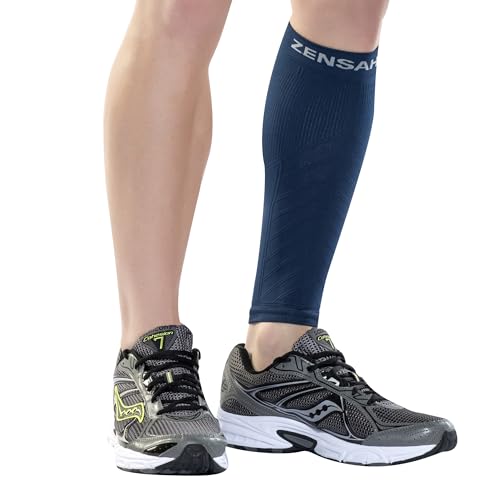
1. Zensah Calf/Shin Compression Sleeve – Made in the USA Single Leg Compression Sleeve for Shin Splint Relief
Rating: 8.9/10
Tired of shin splints holding you back? The Zensah Calf/Shin Compression Sleeve is here to help! This sleeve is made in the USA and designed to give your legs the support they need. Whether you’re running, working out, or just need some relief, this single-leg compression sleeve is a game-changer.
What We Like:
- It provides excellent shin splint relief with special v-shape ribbing that targets pain.
- Muscle recovery is faster because the graduated compression boosts blood flow.
- The sleeve stays dry and light thanks to its moisture-wicking material, even during tough workouts.
- It offers great calf support and helps prevent injuries with micro-ribbing on the back.
- It’s made in the USA, so you know you’re getting quality.
What Could Be Improved:
- Since it’s sold as a single sleeve, you’ll need to buy two if you want compression on both legs.
- The X-Small/Small sizing might not fit everyone perfectly.
This Zensah sleeve is a fantastic tool for anyone dealing with shin pain or looking to improve their recovery. Give your legs the support they deserve and get back to doing what you love!
2. Premium Orthotics for Plantar Fasciitis Relief

Rating: 9.1/10
Tired of foot pain slowing you down? These Premium Orthotics are designed to give you comfort and support all day long. Whether you stand for work or enjoy an active lifestyle, these insoles can help. They are made for both men and women to help with common foot issues like plantar fasciitis, overpronation, and shin splints.
What We Like:
- These insoles are built tough for workers, offering great comfort on any floor.
- They help fix walking problems and reduce stress on your joints and muscles.
- The shock-absorbing design protects your feet during activities like running or jumping.
- They help spread your weight evenly, supporting up to 220 lbs.
- The deep heel cup and gel cushion help align your body and soothe sore heels.
- You can wear them with most shoes, including work boots and sneakers.
- They help improve your foot health over time by aligning your feet correctly.
- These insoles can help you stand and walk longer without pain, reducing tiredness.
- They are made with special technology to reduce strain on your feet.
What Could Be Improved:
- These insoles are not a good fit for high heels.
These orthotic insoles offer a real solution for foot pain and discomfort. They are a great investment for anyone looking to improve their foot health and enjoy more pain-free days.
3. SB SOX Compression Calf Sleeves (20-30mmHg) for Men & Women – Perfect Option to Our Compression Socks – For Running

Rating: 8.7/10
The SB SOX Compression Calf Sleeves are a fantastic choice for anyone looking to improve leg comfort and performance. Whether you’re an athlete, a nurse on your feet all day, or a frequent traveler, these sleeves offer targeted support. They are designed to boost blood circulation, which helps muscles recover faster and reduces pain.
What We Like:
- They offer graduated compression (20-30mmHg) for better blood flow and muscle recovery.
- The premium construction and comfortable fit are great for all-day wear.
- The lightweight and breathable fabric keeps your legs feeling good during any activity.
- They come in four sizes to ensure a perfect fit for everyone.
- These sleeves are a smart investment for leg health and make a thoughtful gift.
- They are recommended by doctors and preferred by trainers.
What Could Be Improved:
- It is important to measure your calf circumference carefully to choose the correct size.
These calf sleeves are a great way to support your legs and feel better. They offer excellent value and can make a big difference in your daily comfort.
4. Zensah Calf/Shin Compression Sleeve – Made in the USA Single Leg Compression Sleeve for Shin Splint Relief

Rating: 9.2/10
The Zensah Calf/Shin Compression Sleeve in Purple, size X-Small/Small, is designed to help athletes and active individuals. It’s made in the USA and focuses on providing targeted support for your lower legs. Whether you’re running, training, or just need some extra comfort, this sleeve aims to make a difference.
What We Like:
- It offers great relief for shin splints thanks to its special v-shape ribbing.
- The sleeve helps your muscles recover faster by improving blood flow.
- You’ll stay dry and comfortable because it wicks away moisture.
- It also supports your calves and helps prevent injuries with its micro-ribbing.
- It’s made in the USA, which means quality craftsmanship.
What Could Be Improved:
- It’s sold as a single sleeve, so you’ll need to buy two if you want compression on both legs.
- The X-Small/Small size might be too small for some users.
This Zensah sleeve is a solid option for anyone dealing with shin splints or calf discomfort. It provides focused support and helps you recover more quickly.
5. Xero Shoes Women’s Prio Suede Barefoot Sneaker

Rating: 9.0/10
Step into comfort and natural movement with the Xero Shoes Women’s Prio Suede Barefoot Sneaker in Black/Asphalt. These sneakers blend barefoot principles with a stylish design, making them perfect for both your daily errands and light adventures.
What We Like:
- Natural Movement Design: The wide toe box lets your toes spread out comfortably. The zero-drop sole helps you stand up straighter. You feel connected to the ground because the sole is thin and flexible.
- Lightweight Performance: These sneakers are a casual version of a popular shoe. They work for many different activities.
- Supportive Fit: The mesh top lets your feet breathe. The inside lining wicks away sweat to keep your feet dry.
- Added Protection: Real suede on top looks great and adds extra support. A strap system helps keep your foot snug and secure.
- Durable: Xero Shoes offers a 5,000-mile guarantee on the sole. The special tread pattern grips well on trails and other surfaces.
What Could Be Improved:
- Suede Care: Suede can get dirty easily and may need special cleaning products to keep it looking its best.
- Break-in Period: Like many barefoot-style shoes, there might be a short adjustment period as your feet get used to the natural feel.
These sneakers offer a fantastic way to experience natural movement in a stylish package. They are a great choice for anyone looking for comfort and a connection to the ground.
Finding the Right Shoes for Shin Splints: Your Essential Guide
Shin splints can stop your runs in their tracks. But don’t worry! The right running shoes can make a huge difference. This guide helps you find footwear that supports your legs and keeps you moving comfortably.
1. Key Features to Look For
Cushioning is King
Good shoes offer plenty of cushioning. This absorbs shock when your feet hit the ground. It reduces the stress on your shins. Look for shoes with thick midsoles made of foam. This foam acts like a shock absorber.
Support and Stability
Some runners need extra support. This is especially true if your feet roll inward too much (overpronation). Shoes with good arch support can help. They keep your foot aligned. This alignment prevents extra strain on your shin muscles.
Flexibility
While support is important, your shoes should also be flexible. Your foot needs to bend naturally as you run. Stiff shoes can force your foot into unnatural positions. This can worsen shin splints.
Proper Fit
This is non-negotiable. Shoes that are too tight or too loose will cause problems. Make sure there’s about a thumb’s width of space between your longest toe and the end of the shoe. The shoe should feel snug but not constricting.
2. Important Materials
Midsoles: The Cushioning Core
Most running shoe midsoles use EVA (ethylene vinyl acetate) or PU (polyurethane) foam. EVA is lighter and more flexible. PU is denser and offers more durability and shock absorption. Some shoes blend these for the best of both worlds.
Uppers: Breathability and Comfort
The top part of the shoe, the upper, is often made from mesh. Mesh allows air to flow through. This keeps your feet cool and dry. Dry feet are less prone to blisters and discomfort. Some uppers have synthetic overlays for added support.
Outsoles: Grip and Durability
The bottom of the shoe, the outsole, needs to be tough. It’s usually made of rubber. Different rubber compounds offer varying levels of grip and wear resistance. Carbon rubber is very durable. Blown rubber is lighter and provides more cushioning.
3. Factors That Improve or Reduce Quality
Build Quality
Well-made shoes last longer. Look for neat stitching and no loose threads. The materials should feel robust. A shoe that falls apart quickly offers poor value and support.
Brand Reputation
Established running shoe brands often invest heavily in research and development. They understand biomechanics and injury prevention. This doesn’t mean all new brands are bad, but trusted names usually deliver consistent quality.
Specific Technologies
Many brands have proprietary cushioning or stability systems. For example, some use gel inserts or special foam compounds. Research these technologies. They can significantly impact comfort and support.
Weight
Lighter shoes can feel faster. However, very light shoes might sacrifice cushioning and support. For shin splints, a balance is often best. You want enough cushioning without feeling weighed down.
4. User Experience and Use Cases
Everyday Training
For most runners dealing with shin splints, shoes designed for everyday training are ideal. These shoes offer a good mix of cushioning, support, and durability for regular runs.
Recovery Runs
When you’re easing back into running, softer, more cushioned shoes are excellent. They provide a gentle ride and reduce impact. This helps your shins recover.
Long Runs
On longer runs, ample cushioning becomes even more important. It helps prevent fatigue and keeps your legs feeling fresh. Shoes with excellent shock absorption are a must.
Walking and Cross-Training
While running shoes are best for running, some comfortable, supportive shoes can also work for brisk walking or other low-impact cross-training activities. This keeps your shins happy across different activities.
Frequently Asked Questions About Running Shoes for Shin Splints
Q: What is the most important thing to look for in running shoes for shin splints?
A: The most important thing is good cushioning to absorb impact.
Q: Should I get shoes with a lot of arch support?
A: If your feet roll inward (overpronate), yes, good arch support helps. If your arches are high or normal, you might need less.
Q: Can I wear any running shoes for shin splints?
A: Not all running shoes are the same. You need shoes specifically designed to reduce impact and provide support.
Q: How often should I replace my running shoes?
A: You should replace running shoes every 300-500 miles, or when the cushioning feels flat.
Q: Are minimalist shoes good for shin splints?
A: Generally, no. Minimalist shoes offer very little cushioning, which can make shin splints worse.
Q: What does “pronation” mean?
A: Pronation is how your foot rolls inward when you walk or run. Overpronation means it rolls too much.
Q: Can the wrong shoes cause shin splints?
A: Yes, worn-out shoes or shoes that don’t fit well can contribute to shin splints.
Q: Should I buy shoes online or in a store?
A: Buying in a store allows you to try them on. Online shopping is convenient, but make sure you know your size and can return them if they don’t fit.
Q: What if I have flat feet? What kind of shoes should I look for?
A: Runners with flat feet often benefit from stability shoes that offer more arch support.
Q: How do I know if a shoe is too tight?
A: If your toes feel cramped or you can’t wiggle them, the shoe is likely too tight.
In conclusion, every product has unique features and benefits. We hope this review helps you decide if it meets your needs. An informed choice ensures the best experience.
If you have any questions or feedback, please share them in the comments. Your input helps everyone. Thank you for reading.