
Ever wondered why some shoes feel stiff while others bend easily? It all comes down to the sole! Stiff-soled shoes might sound a little uncomfy, but they actually do some pretty cool things for your feet and how you move.
Choosing the right stiff-soled shoe can be tricky. You want something that supports you without feeling like you’re walking in cardboard. Many people worry about them being too rigid or not fitting well. But finding that perfect balance is key to feeling good on your feet, whether you’re playing sports or just walking around.
In this post, we’ll dive into what makes a sole stiff and why that’s a good thing. We’ll help you understand the different types and how to pick the best stiff-soled shoe for your needs. Get ready to step into comfort and confidence!
Our Top 5 Stiff Soled Shoes Recommendations at a Glance
Top 5 Stiff Soled Shoes Detailed Reviews
1. Carbon Fiber Insoles

Rating: 9.4/10
This Carbon Fiber Foot Plate is a rigid shoe insert designed to give your feet extra support and help them heal. It’s made from strong carbon fiber, making it tough yet light. This insert works to keep your foot stable and reduce pain, acting as a helpful alternative to bulky post-op shoes.
What We Like:
- It’s made of premium carbon fiber, which is strong, light, and won’t rust.
- This insert offers excellent stability and support, helping to relieve pain from conditions like turf toe, foot fractures, and big toe pain.
- It’s designed to minimize bending, giving your foot the stiffness it needs for better recovery.
- The plate is universal and can be used on either your left or right foot.
- It’s great for various activities, from daily walks to sports like hiking, running, and basketball.
- It can be used as a helpful alternative to a post-op shoe.
What Could Be Improved:
- The product is sold as a single piece, so you need to order two if you want a pair for both feet.
- It is not suitable for dress shoes or high heels.
- Finding the exact right size requires careful measurement against your shoe size.
This carbon fiber foot plate offers solid support and pain relief for many foot issues. It’s a practical choice for staying active while your foot recovers.
2. Carbon Fiber Insole(1 Pair): Rigid Shoe Insert for Men & Women – for Morton’s Toe

Rating: 9.3/10
This Carbon Fiber Insole offers rigid support for your feet, helping to ease pain from conditions like Morton’s Toe, Turf Toe, and arthritis. It’s a great alternative to bulky post-op shoes, providing focused support right where you need it.
What We Like:
- The insoles are made of durable, lightweight carbon fiber that won’t corrode.
- They help limit big toe movement and reduce pressure on your foot joints.
- The crescent shape means less material, making them lighter and allowing you to feel the ground better for improved athletic performance.
- They offer excellent protection for your toes, feet, and ankles.
- These insoles can make your daily life and sports activities more comfortable by preventing foot fatigue.
- They work well in athletic shoes for sports like soccer, tennis, and basketball.
What Could Be Improved:
- The sizing requires careful measurement of your original insole and needs to be 1/4 – 1/2 inch shorter.
- They are not suitable for high heels or flip-flops.
- The instructions suggest placing them under the original insole, which might not work for all shoe types.
This carbon fiber insole is a solid choice for anyone needing targeted foot support and pain relief. It’s a practical solution for both active individuals and those recovering from foot issues.
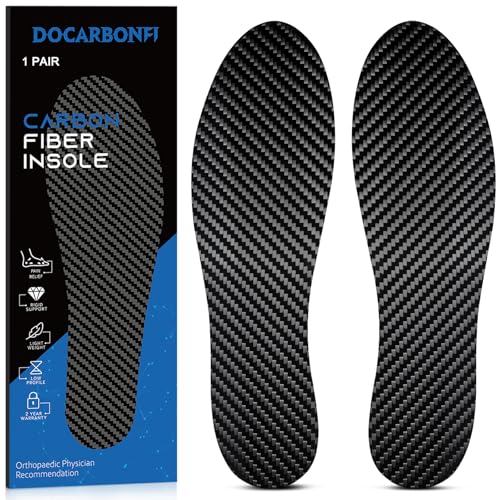
3. Carbon Fiber Insole
Rating: 8.6/10
This Carbon Fiber Insole is a game-changer for anyone dealing with foot pain. Designed for serious support, these rigid inserts offer a powerful solution for conditions like arthritis, turf toe, and even post-operative recovery. Crafted from “The King of Material,” carbon fiber, these insoles are incredibly strong and lightweight, providing stability without adding bulk to your favorite shoes.
What We Like:
- Feather-light Strength: Made from carbon fiber, these insoles are five times stronger than steel but incredibly light.
- Targeted Pain Relief: They stiffen your shoe’s sole to prevent painful over-extension of your toes, offering relief without changing your natural walking motion.
- Versatile Fit: These two-piece insoles work for either foot and are thin enough not to alter the fit of your athletic shoes like sneakers, hiking boots, or sports shoes.
- Precise Sizing: The clear sizing guide helps you pick the perfect length, ensuring a snug fit without being too long.
- Optimized Support: With a slim, 1.3mm thickness and a flat plate design, they offer stability and reduce pressure on your metatarsal joints and toes.
- Post-Op Alternative: They provide excellent support, acting as a great alternative to bulky post-operative shoes.
What Could Be Improved:
- Shoe Type Limitation: These insoles are best suited for athletic shoes and are not recommended for high heels or dress shoes.
- Exact Fit Measurement: While the sizing guide is helpful, precise measurement is key to avoid an insole that’s too long.
If you’re seeking effective, lightweight support for painful foot conditions, these carbon fiber insoles are a highly recommended option. They offer significant relief and stability, allowing you to get back to your daily activities with greater comfort.
4. Carbon Fiber Insoles

Rating: 8.5/10
Say goodbye to foot pain and hello to a more active life with these Carbon Fiber Insoles. Designed for rigid support, they offer relief and recovery for a variety of foot conditions, including arthritic toe, turf toe, Hallux rigidus, and Morton’s toe. This pair is specifically sized for Men’s 11-11.5 or Women’s 12-12.5 (275mm).
What We Like:
- These insoles help prevent injuries and speed up recovery by reducing foot flexibility. They are great for conditions like Hallux rigidus, turf toe, and foot arthritis.
- Made from premium, thin, and lightweight carbon fiber, they are also sturdy and corrosion-free. The unique 180-degree flat plate design gives you full support. They are reversible for either foot.
- These insoles fit most shoes, including sneakers, hiking boots, and work boots. You can wear them for sports like basketball and running, or just for daily walking to prevent tired feet.
- The material is light and strong, offering good toughness. They are warm to the touch.
What Could Be Improved:
- To get the best fit, the insole needs to be about ¼ – ½ inch shorter than your shoe’s original insert. If you’re between sizes, it’s best to choose the smaller one.
- The description doesn’t mention any specific cushioning or shock absorption features, which might be a downside for some users.
These carbon fiber insoles are a smart choice for anyone looking to improve their foot health and enjoy a more active lifestyle. Give them as a gift to help your loved ones live a happier and healthier life.
5. Freeior Carbon Fiber Insole for Pain Relief of Turf Toe

Rating: 8.6/10
Dealing with foot pain from injuries like turf toe or recovering from a fracture can be tough. The Freeior Carbon Fiber Insole is designed to help by making your foot more stable. It’s a rigid plate that stops your foot from bending too much, which can ease pain and protect it while it heals. Doctors often suggest this kind of support. This insole is super strong, like steel, but very thin and light. It fits inside your shoes to give your foot extra support, almost like replacing a bulky boot. You can use it for walking, playing sports, and other daily tasks as your foot gets better.
What We Like:
- Provides excellent rigidity to limit foot bending, offering relief for various foot injuries like turf toe and hallux rigidus.
- Made from aerospace-grade carbon fiber, making it incredibly strong yet lightweight and thin, so it doesn’t add bulk to your shoes.
- Can be a great alternative to bulky walking boots during fracture recovery.
- Each insole can be flipped to fit either foot, adding convenience.
- Doctors often recommend this type of rigid support for foot recovery.
What Could Be Improved:
- This insole is very rigid and not meant for people without foot problems or those seeking a soft feel.
- It cannot be cut, so accurate sizing is crucial to avoid issues like shoe jamming or slipping.
- It must be placed under your original insole; direct contact with your foot is not recommended due to its ultra-rigid surface.
- It takes about 1-2 weeks to get used to the rigidity, and gradual use is advised.
- Only works with shoes that have removable insoles.
This insole offers strong support for specific foot recovery needs. If you’re recovering from a foot injury and need rigid stabilization, this could be a good option.
Stiff Soled Shoes: Your Guide to Comfort and Support
Stiff soled shoes offer something special. They provide excellent support and a stable platform for your feet. This makes them a great choice for many activities. Let’s explore what makes a good pair.
Key Features to Look For
When you shop for stiff soled shoes, keep these features in mind.
1. Sole Rigidity
The most important feature is the stiffness of the sole. A stiff sole doesn’t bend easily. This helps to support your arch. It also keeps your foot in a good position. Test the sole by trying to bend it. It should resist bending significantly.
2. Arch Support
Good arch support is crucial. Stiff soles often have built-in arch support. This helps to distribute pressure evenly. It can prevent foot pain. Look for shoes that feel supportive under your arch.
3. Heel Counter
The heel counter is the part of the shoe that cups your heel. A firm heel counter helps to lock your heel in place. This adds stability. It also prevents your heel from sliding around inside the shoe. A good heel counter feels sturdy.
4. Fit and Comfort
Even with stiff soles, comfort is key. The shoe should fit your foot well. There should be enough room in the toe box. The shoe should not pinch or rub anywhere. Try them on and walk around to feel the fit.
Important Materials
The materials used in stiff soled shoes affect their performance and feel.
1. Sole Materials
- Rubber: Many stiff soles use durable rubber. It offers good grip and can be quite stiff.
- Polyurethane (PU): PU is a strong plastic. It makes for very rigid and long-lasting soles.
- Composite Materials: Some shoes use blends of materials. These are designed for specific stiffness and weight.
2. Upper Materials
- Leather: Leather is a classic choice. It is durable and molds to your foot over time. Full-grain leather is very strong.
- Synthetic Leather: These materials can mimic leather. They are often lighter and easier to clean.
- Mesh: Some shoes use mesh for breathability. This is often combined with stiffer materials in the sole and structure.
Factors That Improve or Reduce Quality
Several things make a stiff soled shoe better or worse.
Quality Enhancers
- Construction Methods: How the shoe is made matters. Goodyear welting, for example, creates a very durable and repairable shoe.
- Brand Reputation: Well-known brands often use better materials and have stricter quality control.
- Customer Reviews: Reading what others say helps a lot. Look for consistent praise for durability and support.
Quality Reducers
- Cheap Adhesives: Glued soles can come apart over time. This is especially true if the glue is low quality.
- Thin Materials: Flimsy uppers or thin sole components will not last. They also offer less support.
- Poor Stitching: Loose or uneven stitching can indicate poor craftsmanship.
User Experience and Use Cases
Who benefits from stiff soled shoes, and when are they best?
Who Benefits?
People who need extra support for their feet often choose these shoes. This includes individuals with certain foot conditions. Those who stand or walk for long periods can also find them helpful. Athletes in specific sports also use them.
Common Use Cases
- Walking and Hiking: The support helps on uneven terrain. It reduces fatigue during long walks.
- Cycling: Stiff soles transfer more power from your legs to the pedals. This makes cycling more efficient.
- Work Shoes: For jobs that require standing all day, stiff soles offer much-needed support.
- Supportive Footwear: If you have plantar fasciitis or other arch issues, these shoes can bring relief.
Frequently Asked Questions (FAQ)
Q: Are stiff soled shoes good for running?
A: Generally, stiff soled shoes are not ideal for most types of running. Running shoes need to be flexible to absorb impact and allow for natural foot movement. Stiff soles can restrict this. However, some specialized running shoes for specific needs might have firmer soles.
Q: How do I clean my stiff soled shoes?
A: Cleaning depends on the material. For leather, use a leather cleaner and conditioner. For synthetic materials or mesh, a damp cloth and mild soap usually work. Always let them air dry.
Q: Can stiff soled shoes help with flat feet?
A: Yes, stiff soled shoes with good arch support can be very beneficial for people with flat feet. They help to support the arch and distribute weight more evenly.
Q: How long should stiff soled shoes last?
A: With good care and quality materials, stiff soled shoes can last for several years. Heavy use will shorten their lifespan.
Q: Are stiff soled shoes comfortable for everyday wear?
A: For some people, yes. If you value support and stability, you will find them comfortable. Others might prefer more flexible shoes for casual wear.
Q: What is the difference between stiff soled shoes and regular shoes?
A: The main difference is the sole’s flexibility. Regular shoes have soles that bend easily. Stiff soled shoes have soles that resist bending, offering more support and stability.
Q: Can I wear socks with stiff soled shoes?
A: Yes, you can and should wear socks with stiff soled shoes. Socks add comfort, absorb moisture, and prevent blisters.
Q: Do stiff soled shoes cause foot pain?
A: If the shoes are the wrong fit or lack proper support for your specific needs, they could. However, for many, the support they provide actually reduces foot pain.
Q: Where can I buy stiff soled shoes?
A: You can find them at shoe stores, sporting goods stores, and online retailers. Look for brands that specialize in supportive footwear.
Q: How do I know if a shoe is truly stiff-soled?
A: Try to bend the shoe from heel to toe. If it resists bending significantly, it likely has a stiff sole. Also, check the product description for terms like “rigid sole” or “shank.”
In conclusion, every product has unique features and benefits. We hope this review helps you decide if it meets your needs. An informed choice ensures the best experience.
If you have any questions or feedback, please share them in the comments. Your input helps everyone. Thank you for reading.