
Imagine facing a roaring inferno, heat scorching your skin, and debris raining down. In those critical moments, your hands are your most vital tools. Yet, how often do we truly consider the armor protecting them? Choosing the right structural firefighting gloves isn’t just about comfort; it’s about survival.
The market is flooded with gloves that promise the moon, but many fall short. You might find gloves that are too stiff, making it hard to grip tools, or others that don’t offer enough protection against heat and sharp objects. The wrong pair can lead to painful burns, injured hands, or worse, a loss of dexterity when you need it most. It’s a frustrating puzzle to solve when lives depend on your gear.
This post is here to cut through the confusion. We’ll break down what truly matters in a pair of structural firefighting gloves, from the materials used to the features that make a real difference. By the end, you’ll know exactly what to look for, helping you confidently choose gloves that will keep your hands safe and effective when you’re on the front lines.
Our Top 5 Structural Firefighting Gloves Recommendations at a Glance
Top 5 Structural Firefighting Gloves Detailed Reviews
1. Intra-FIT Structural Fire Fighter Glove

Rating: 8.6/10
When facing intense heat and flames, you need gear you can trust. The Intra-FIT Structural Fire Fighter Glove, designed to meet NFPA 1971 standards, offers serious protection for brave firefighters. Its curved finger design helps you grip tools better. This glove is built to handle the toughest situations, keeping your hands safe when it matters most.
What We Like:
- The Eversoft cowhide, tanned right here in the US, feels tough and reliable.
- A special lining, also made in the USA, creates a powerful barrier against heat.
- The moisture barrier, made in Europe, helps keep your hands dry.
- The curved fingers allow for a natural and secure grip on equipment.
- These gloves offer excellent heat and flame resistance, crucial for fire fighting.
What Could Be Improved:
- While assembled in China, some users might prefer components sourced from the same region as the primary manufacturing.
- The break-in period for the Eversoft cowhide might require some patience for maximum flexibility.
The Intra-FIT Structural Fire Fighter Glove provides dependable protection with its robust materials and thoughtful design. It’s a solid choice for firefighters who demand high performance.
2. Intra-FIT Structural Fire Fighter Glove
Rating: 8.7/10
The Intra-FIT Structural Fire Fighter Glove is built for serious action. These gloves meet NFPA 1971 standards, meaning they are designed to protect you from intense heat and flames. Their curved finger design helps you move your hands naturally, making tough jobs easier. You can trust these gloves when lives are on the line.
What We Like:
- The Eversoft Cowhide, tanned in the USA, feels tough but comfortable.
- The USA-made heat and flame resistant lining creates a strong shield against heat.
- A moisture barrier, made in Europe, keeps your hands dry.
- The curved fingers let you grip and move tools easily.
- NFPA 1971 certification means these gloves are tested and proven safe for fire fighting.
What Could Be Improved:
- Assembly in China might be a concern for some buyers looking for fully domestic products.
- The specific thickness and dexterity compared to other gloves might be something to consider for very fine tasks.
These Intra-FIT gloves offer solid protection and comfort. They are a dependable choice for any firefighter needing reliable gear.
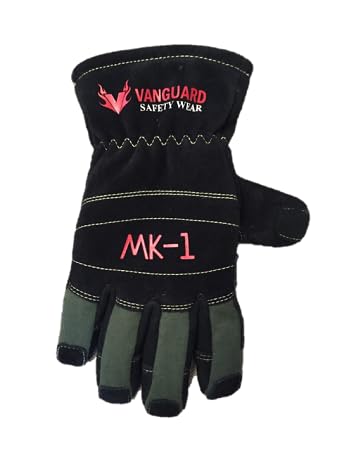
3. Vanguard Safety Wear MK-1 Structural Firefighting Glove (Large)
Rating: 9.4/10
When you’re facing a fire, you need gear you can trust. The Vanguard Safety Wear MK-1 Structural Firefighting Glove in Large is built to keep your hands safe and working. It uses tough materials to protect you from heat, cuts, and even sharp objects. This glove is designed to be comfortable and let you move your hands easily, which is super important when you’re working in tough situations.
What We Like:
- It has five layers of Kevlar knit, which is really strong. This gives you great protection from heat and sharp things.
- The cowhide on the back helps it resist heat for a long time.
- It’s NFPA 1971 compliant, meaning it meets important safety standards.
- The moisture barrier stops chemicals from getting to your skin.
- The goat skin palm and back of the thumb make the glove flexible and easy to grip with.
- The special sculpted fingertips help you feel what you’re touching.
- The sewing is done carefully for a fit that feels custom-made.
- Palm layers are sewn down for a better grip.
- The reinforced thumb crotch stops it from wearing out quickly.
- The inner liner is sewn and bonded at the fingertips, adding extra durability.
What Could Be Improved:
- While it offers great protection, the multiple layers might make it feel a bit bulkier than some other gloves.
- The premium materials and construction mean it comes with a higher price tag.
The Vanguard Safety Wear MK-1 Structural Firefighting Glove is a serious piece of equipment. It offers top-notch protection and performance for firefighters who demand the best.
4. Intra-FIT NFPA 1971 Firefighter Gloves

Rating: 8.9/10
The Intra-FIT NFPA 1971 Firefighter Gloves are built tough for demanding situations. These professional-grade gloves offer top-notch protection, keeping your hands safe and comfortable when it matters most.
What We Like:
- Made with soft, strong, water-repellent US-sourced cowhide that stays flexible.
- They are heat and flame resistant, protecting you from fire.
- The gloves resist abrasions, tears, and punctures for extra safety.
- A UK-made Porelle moisture barrier keeps out chemicals and blood.
- The US-made Kovenex thermal liner is breathable and highly heat resistant.
- Kevlar stitching adds extra strength and heat resistance.
- They are easy to wash and keep soft.
What Could Be Improved:
- The price point might be a consideration for some.
- Availability might be limited at times.
These gloves offer excellent protection and comfort. They are a reliable choice for professionals needing the best gear.
5. Intra-FIT Structural Fire Fighter Glove
Rating: 8.9/10
The Intra-FIT Structural Fire Fighter Glove is built for the toughest jobs. It meets NFPA 1971 standards, which means it’s designed for serious fire fighting. These gloves have curved fingers for a better grip and are made with materials that resist heat and flames. They offer excellent protection when you need it most.
What We Like:
- The Eversoft Cowhide, tanned in the USA, feels good and lasts a long time.
- The heat and flame resistant lining, also made in the USA, creates a strong barrier against heat.
- The moisture barrier, made in Europe, keeps your hands dry.
- The curved finger design helps you move your hands naturally and hold tools securely.
- They provide excellent protection from heat and flames, crucial for firefighter safety.
What Could Be Improved:
- The gloves are assembled in China, which might be a concern for some buyers.
- While durable, a slightly wider range of sizes could improve the fit for more individuals.
The Intra-FIT Structural Fire Fighter Glove offers a solid combination of protection and comfort. Its thoughtful design makes it a reliable choice for demanding situations.
Your Shield Against the Flames: A Guide to Choosing Structural Firefighting Gloves
When you’re a firefighter, every piece of gear matters. Your gloves are one of your most important tools. They protect your hands from extreme heat, sharp objects, and dangerous chemicals. Choosing the right structural firefighting gloves is a big decision. This guide will help you find the best pair for your needs.
Why Are Good Firefighting Gloves So Important?
Structural firefighting gloves are designed for the toughest jobs. They are built to withstand intense heat and protect you from harm. Without them, your hands would be at serious risk in a fire. They are your first line of defense.
Key Features to Look For
When you shop for gloves, keep these features in mind:
- Heat Resistance: This is the most crucial feature. Look for gloves that can handle very high temperatures without melting or burning.
- Cut Resistance: Fires often involve sharp debris. Your gloves should prevent cuts and scrapes.
- Water and Chemical Resistance: Fires can be wet, and there might be harmful chemicals. Gloves that repel water and chemicals keep your hands safe and dry.
- Grip: You need to be able to hold tools and hoses firmly. A good grip ensures you can do your job effectively.
- Dexterity: While protection is key, you also need to move your fingers. Gloves that allow for good hand movement are better.
- Comfort and Fit: Gloves that fit well are more comfortable and perform better. They shouldn’t be too tight or too loose.
- Durability: Firefighting is hard on gear. Your gloves should be made to last.
Important Materials in Firefighting Gloves
The materials used make a big difference in how well gloves protect you.
- Outer Shell: Often made from tough materials like leather, Nomex®, or Kevlar®. These resist heat and abrasion.
- Waterproof/Breathable Barrier: A special layer that keeps water and chemicals out but lets sweat escape. This is often a Gore-Tex® or similar material.
- Thermal Liner: This layer provides insulation against heat. It can be made of materials like felt or Kevlar®.
- Inner Lining: A soft lining that makes the gloves comfortable to wear. Often made of cotton or a blend.
Factors That Affect Glove Quality
Some things make gloves better, and others make them worse.
What Makes Gloves Better?
- Stitching: Strong, reinforced stitching holds the glove together better under stress.
- Construction: How the glove is put together matters. A well-made glove will last longer.
- Brand Reputation: Trusted brands often have a history of making reliable gear.
- Certifications: Look for gloves that meet safety standards, like those from NFPA (National Fire Protection Association).
What Can Make Gloves Lower Quality?
- Thin Materials: Gloves made with thin outer shells might not offer enough protection.
- Poor Stitching: Weak stitches can break easily, making the glove useless.
- Lack of Proper Layers: Missing a key layer, like a waterproof barrier, can reduce protection.
- Bad Fit: Gloves that don’t fit well are uncomfortable and can hinder your work.
User Experience and Use Cases
How do firefighters use these gloves, and what do they experience?
In the Heat of the Moment
Firefighters wear these gloves during all types of structural fires. This includes house fires, building fires, and any situation where there’s extreme heat and danger. They use them to:
- Pull victims to safety.
- Handle hot tools and equipment.
- Break through doors or windows.
- Clear debris.
- Protect their hands from flames and embers.
A good pair of gloves feels like a natural extension of your hands. They allow you to perform tasks quickly and safely. A bad pair can make your hands sweat, feel stiff, or not protect you well. Firefighters often talk about how important it is to have gloves they can trust.
Frequently Asked Questions About Structural Firefighting Gloves
Q: What is the most important feature of structural firefighting gloves?
A: The most important feature is excellent heat resistance. This protects your hands from extreme temperatures.
Q: Are all firefighting gloves the same?
A: No, there are different types. Structural firefighting gloves are specifically made for building fires. Other types exist for different rescue situations.
Q: How do I know if the gloves will fit me?
A: You should try them on. They should fit snugly but not be too tight. You need to be able to move your fingers freely.
Q: How often should I replace my firefighting gloves?
A: This depends on how often you use them and how well you care for them. Check them regularly for wear and tear. Many firefighters replace them every few years, or sooner if they show damage.
Q: Can I wash my structural firefighting gloves?
A: Some gloves can be washed, but always check the manufacturer’s instructions. Improper washing can damage the protective layers.
Q: What does NFPA certification mean for gloves?
A: NFPA certification means the gloves have met strict safety standards set by the National Fire Protection Association. This ensures they offer a high level of protection.
Q: How do I care for my firefighting gloves?
A: After each use, let them dry completely away from direct heat. Clean off any dirt or debris. Store them properly to prevent damage.
Q: Are leather gloves the best for firefighting?
A: Leather is a great material for the outer shell because it is tough and heat resistant. However, the best gloves use a combination of materials for optimal protection.
Q: Can I wear thin gloves under my structural firefighting gloves?
A: Some firefighters do this for extra warmth or comfort. However, ensure the inner gloves do not restrict your movement or compromise the fit of your outer gloves.
Q: Where can I buy good quality structural firefighting gloves?
A: You can buy them from specialized firefighting equipment suppliers, both online and in physical stores. It’s often best to buy from reputable dealers.
In conclusion, every product has unique features and benefits. We hope this review helps you decide if it meets your needs. An informed choice ensures the best experience.
If you have any questions or feedback, please share them in the comments. Your input helps everyone. Thank you for reading.